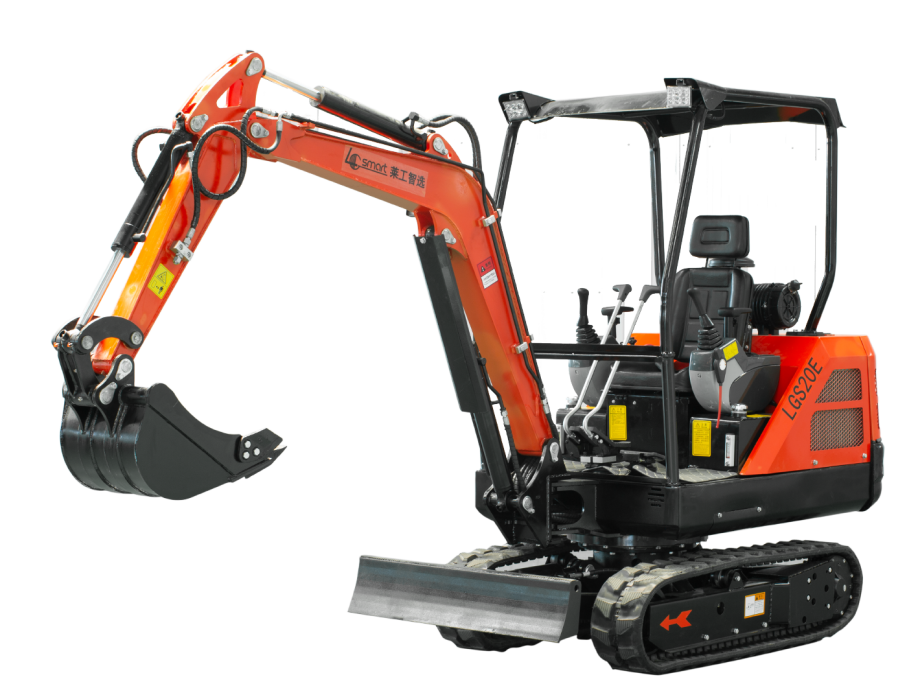
The Transformative Role of Skid Steer Loaders in Road Construction Projects
Release time:
2025-12-23
The Transformative Role of Skid Steer Loaders in Road Construction Projects
Table of Contents
Introduction to Skid Steer Loaders
Benefits of Skid Steer Loaders in Road Construction
Key Features of Skid Steer Loaders
Applications of Skid Steer Loaders in Road Construction
Choosing the Right Skid Steer Loader for Your Project
Maintenance Tips for Skid Steer Loaders
The F
The Transformative Role of Skid Steer Loaders in Road Construction Projects
Table of Contents
- Introduction to Skid Steer Loaders
- Benefits of Skid Steer Loaders in Road Construction
- Key Features of Skid Steer Loaders
- Applications of Skid Steer Loaders in Road Construction
- Choosing the Right Skid Steer Loader for Your Project
- Maintenance Tips for Skid Steer Loaders
- The Future of Skid Steer Loaders in Road Construction
- Frequently Asked Questions
- Conclusion
Introduction to Skid Steer Loaders
In the realm of road construction, **skid steer loaders** have emerged as invaluable assets. Their compact size, maneuverability, and versatility make them ideal for a variety of construction tasks. These machines can perform multiple functions, from grading and excavation to material handling and landscaping. Understanding their role can provide insight into how road construction projects have become more efficient and productive.
Benefits of Skid Steer Loaders in Road Construction
The benefits of utilizing skid steer loaders in road construction projects are manifold. We will explore some of the most significant advantages that make these machines indispensable.
1. Versatility
One of the primary advantages of skid steer loaders is their versatility. They can be equipped with various attachments, such as buckets, forks, augers, and grapples, allowing them to perform multiple tasks on construction sites. This flexibility means that a single machine can handle different operations without the need for additional equipment.
2. Compact Design
Skid steer loaders are designed to be compact, which allows them to navigate tight spaces and work in confined areas where larger machinery cannot. This feature is particularly useful in road construction, where space can often be limited due to existing infrastructure.
3. Cost-Effectiveness
Investing in a skid steer loader can be cost-effective for construction companies. Their ability to take on multiple roles reduces the need for various specialized machines, leading to lower operational costs. Additionally, their efficiency in completing tasks can lead to faster project completion times, further enhancing profitability.
4. Enhanced Productivity
With their powerful engines and quick attachment changes, skid steer loaders can significantly increase productivity on construction sites. They can move materials quickly, level surfaces efficiently, and complete tasks in a fraction of the time it would take with manual labor.
Key Features of Skid Steer Loaders
Before delving into the applications of skid steer loaders, it is essential to understand the key features that set them apart from other machinery used in road construction.
1. High Maneuverability
The **high maneuverability** of skid steer loaders is one of their standout features. The unique skid-steering system allows the machine to pivot in place, making it easy to navigate around obstacles and perform precise operations.
2. Robust Power and Performance
Equipped with powerful engines, skid steer loaders deliver exceptional performance. They can handle heavy loads and operate efficiently in demanding conditions. This power translates into better performance, especially in tasks such as excavation and grading.
3. Attachments for Specific Tasks
The ability to switch between different attachments is a defining feature of skid steer loaders. Whether you need a bucket for digging, forks for lifting, or a snowblower for winter operations, these machines can adapt to meet the specific demands of road construction.
4. User-Friendly Controls
Modern skid steer loaders come equipped with advanced controls that enhance user-friendliness. Operators can easily navigate and control the machine’s functions, which reduces the learning curve and improves safety on the job site.
Applications of Skid Steer Loaders in Road Construction
Skid steer loaders are utilized in various capacities throughout road construction projects. Below are some critical applications that highlight their importance:
1. Site Preparation
Before any road construction can commence, proper site preparation is essential. Skid steer loaders are employed to clear debris, level the ground, and prepare the site for subsequent construction activities. Their ability to maneuver in tight areas makes them ideal for this task.
2. Excavation and Grading
Excavation and grading are vital components of road construction. Skid steer loaders are equipped with grading attachments to create smooth surfaces for roads and pathways. Their precise control allows for accurate grading, essential for ensuring proper drainage and structural integrity.
3. Material Handling
Skid steer loaders excel in material handling, making them indispensable on construction sites. They can transport soil, gravel, asphalt, and other materials efficiently. This capability helps streamline the workflow and reduces downtime associated with manual material movement.
4. Landscaping and Finishing Touches
After the primary construction is complete, skid steer loaders can assist with landscaping the area surrounding the new road. They can grade soil, spread mulch, and plant vegetation, ensuring that the project is not only functional but also aesthetically pleasing.
Choosing the Right Skid Steer Loader for Your Project
Selecting the right skid steer loader for your specific road construction project is crucial for maximizing efficiency and effectiveness. Here are some considerations to keep in mind:
1. Size and Capacity
Evaluate the size and lifting capacity required for your project. Larger loaders may be necessary for heavy-duty tasks, while smaller models can navigate tighter spaces more easily. Consider the types of attachments you will use to ensure compatibility.
2. Engine Power
The engine power of a skid steer loader will directly affect its performance. Choose a model with sufficient horsepower to handle your specific tasks without compromising efficiency. Higher power can also enhance productivity, especially in demanding conditions.
3. Attachments Availability
Different projects require different attachments. Ensure that the model you choose has a wide range of available attachments for diverse applications. This adaptability will allow you to maximize the loader's utility throughout the project lifecycle.
4. Operator Comfort and Safety
Operator comfort and safety should never be overlooked. Look for models with ergonomic controls, excellent visibility, and safety features such as rollover protection and stable chassis design. A comfortable operator is more productive and safer on the job site.
Maintenance Tips for Skid Steer Loaders
To ensure optimal performance and longevity of skid steer loaders, regular maintenance is essential. Here are some practical tips:
1. Regular Inspections
Conduct regular inspections of your skid steer loader to identify potential issues early. Check fluid levels, track wear, and attachment connections to ensure everything is functioning properly.
2. Keep it Clean
Maintain cleanliness by regularly removing debris and dirt from the machine. A clean loader is less prone to wear and tear, which can save on maintenance costs in the long run.
3. Follow Manufacturer Guidelines
Always adhere to the manufacturer's maintenance guidelines. This includes following recommended service intervals for oil changes, filter replacements, and other essential maintenance tasks.
4. Train Operators
Ensuring that all operators are properly trained can significantly reduce the likelihood of accidents and equipment damage. Regular training sessions can also help operators stay updated on best practices and maintenance routines.
The Future of Skid Steer Loaders in Road Construction
As technology continues to advance, the future of skid steer loaders looks promising. Innovations such as telematics, automation, and advanced control systems are set to enhance their capabilities further. The integration of smart technology will enable better performance monitoring, predictive maintenance, and even remote operation, increasing the effectiveness of these machines in road construction projects.
Frequently Asked Questions
1. What is a skid steer loader?
A skid steer loader is a compact, powerful piece of machinery used in construction for various tasks, including digging, grading, and material handling.
2. How does a skid steer loader work?
Skid steer loaders operate using a skid-steering system, allowing them to turn by varying the speed of their wheels on each side. This unique ability enables them to pivot in place and maneuver easily in tight spaces.
3. What attachments can be used with a skid steer loader?
Skid steer loaders can be equipped with several attachments, including buckets, forks, augers, plows, and grapples, making them versatile for different construction tasks.
4. How do I maintain a skid steer loader?
Regular maintenance involves conducting inspections, keeping the machine clean, following the manufacturer’s guidelines for service intervals, and ensuring operators are trained on proper usage.
5. What are the advantages of using a skid steer loader in road construction?
Skid steer loaders offer versatility, compact design, cost-effectiveness, and enhanced productivity, making them ideal for various tasks in road construction projects.
Conclusion
Skid steer loaders play a transformative role in road construction projects, enhancing efficiency, versatility, and productivity. With their compact design and range of attachments, they adapt to various tasks, making them invaluable assets on construction sites. As technology continues to evolve, the future for skid steer loaders looks bright, promising further advancements that will enhance their capabilities. Embracing these machines is essential for any construction company looking to optimize their operations and stay competitive in a rapidly changing industry.
Latest News