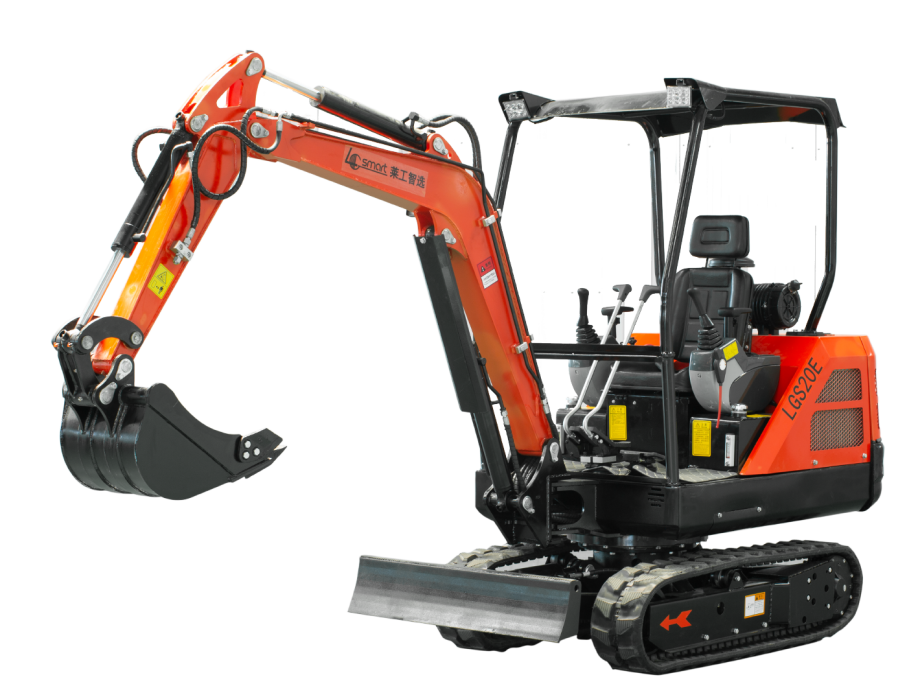
When to Upgrade Your Wheel Loader: Signs You Shouldn't Ignore
Release time:
2026-02-15
When to Upgrade Your Wheel Loader: Signs You Shouldn't Ignore
Upgrading your wheel loader is a significant decision that can impact your operations and bottom line. It's essential to recognize the signs indicating that your current machine may no longer meet your needs. In this article, we will delve into the critical indicators that suggest it's time to upgrade your wheel loader, ensuring that yo
When to Upgrade Your Wheel Loader: Signs You Shouldn't Ignore
Upgrading your wheel loader is a significant decision that can impact your operations and bottom line. It's essential to recognize the signs indicating that your current machine may no longer meet your needs. In this article, we will delve into the critical indicators that suggest it's time to upgrade your wheel loader, ensuring that you maintain optimal productivity and efficiency in your operations.
Table of Contents
1. Understanding the Wheel Loader
2. Signs That Your Wheel Loader Needs an Upgrade
2.1 Decreased Performance and Efficiency
2.2 Increasing Repair Costs
2.3 Outdated Technology
2.4 Safety Concerns
2.5 Environmental Compliance
3. The Importance of Regular Maintenance
4. Assessing Your Operational Needs
5. Financial Considerations for Upgrading
6. Choosing the Right Wheel Loader
7. Frequently Asked Questions (FAQs)
8. Conclusion
1. Understanding the Wheel Loader
Before diving into the signs that your wheel loader needs an upgrade, it's crucial to understand what a wheel loader is and its role in construction and manufacturing. A wheel loader is a versatile piece of heavy equipment commonly used for various tasks, including hauling, digging, and material handling. Its capability to perform multiple functions makes it an invaluable asset in industries that require heavy lifting and transporting.
2. Signs That Your Wheel Loader Needs an Upgrade
Recognizing the right moment to upgrade your wheel loader can save you time, money, and effort. Here are the key signs to look out for:
2.1 Decreased Performance and Efficiency
One of the most significant indicators that it might be time for an upgrade is a noticeable decline in performance and efficiency. If your wheel loader struggles to lift loads it once managed easily or if it takes longer to complete tasks, it may indicate that the machine is losing its effectiveness. An underperforming loader can lead to operational delays and reduced productivity, directly affecting project timelines and budgets.
2.2 Increasing Repair Costs
As machinery ages, the frequency and cost of repairs tend to increase. If you find yourself constantly investing in repairs and maintenance, it's a clear sign that your wheel loader is approaching the end of its useful life. High repair costs can quickly accumulate, leading to a situation where the expenses outweigh the benefits of keeping the machine operational. Evaluating the overall cost of ownership versus the cost of a new loader can provide clarity in this situation.
2.3 Outdated Technology
In today's fast-paced construction and manufacturing environments, technology plays a crucial role in enhancing productivity and efficiency. If your wheel loader lacks modern features such as advanced hydraulics, telematics, or fuel-efficient engines, you may be missing out on significant operational advantages. Upgrading to a newer model with the latest technology can streamline operations, reduce fuel consumption, and enhance overall performance.
2.4 Safety Concerns
Safety is paramount in any industry, especially in construction and manufacturing. Older wheel loaders may not meet current safety standards, putting operators and workers at risk. If your machine lacks essential safety features, such as improved visibility, stability control, or ergonomic controls, it may be time to consider an upgrade. Investing in a machine that prioritizes safety not only protects your workforce but also reduces the likelihood of costly accidents and legal issues.
2.5 Environmental Compliance
As regulations around emissions and environmental impact become stricter, it's vital to ensure that your equipment complies with current standards. Older wheel loaders may not meet the latest emissions requirements, leading to potential fines or restrictions on usage. Upgrading to a newer, environmentally friendly model can help you avoid these issues and position your business as a responsible leader in sustainability.
3. The Importance of Regular Maintenance
While recognizing the signs for an upgrade is essential, regular maintenance cannot be overlooked. Proper maintenance prolongs the lifespan of your wheel loader and can even delay the need for an upgrade. Implementing a preventive maintenance program can help identify potential issues before they escalate, ensuring that your equipment remains operational for as long as possible.
4. Assessing Your Operational Needs
Before making the decision to upgrade your wheel loader, it's essential to evaluate your operational needs. Consider the following questions:
- What types of tasks will the new loader be required to perform?
- Are there specific features or capabilities that are essential for your operations?
- How often will the loader be used, and in what conditions?
- What is your budget for an upgrade?
This assessment will help you determine not only when to upgrade but also which model will best suit your needs.
5. Financial Considerations for Upgrading
Budgeting for an upgrade requires careful consideration of several financial factors:
- **Initial Purchase Price**: Assess the cost of the new wheel loader, including any additional features you may require.
- **Financing Options**: Explore different financing options available, such as leasing versus purchasing outright.
- **Potential Savings**: Calculate the potential savings from reduced repair costs, improved fuel efficiency, and increased productivity.
- **Resale Value**: Consider the resale value of your current machine and how it may offset the cost of the new loader.
By evaluating these financial aspects, you can make a more informed decision about when and how to upgrade your wheel loader.
6. Choosing the Right Wheel Loader
When it comes time to choose a new wheel loader, be sure to do your research. Consider the following factors:
- **Load Capacity**: Ensure that the new loader can handle the weights and types of materials you typically work with.
- **Engine Power and Fuel Efficiency**: Look for models with powerful engines that are also fuel-efficient to reduce operating costs.
- **Technology and Features**: Prioritize loaders with cutting-edge technology, safety features, and ergonomic designs that enhance operator comfort.
- **Brand Reputation and Support**: Research manufacturers known for their reliability and quality customer support.
By carefully considering these factors, you can select the best wheel loader tailored to your specific needs.
7. Frequently Asked Questions (FAQs)
What is the average lifespan of a wheel loader?
The average lifespan of a wheel loader can vary depending on usage, maintenance, and brand but typically ranges from 10,000 to 20,000 hours.
How can I determine if my wheel loader is worth repairing?
Evaluate the cost of necessary repairs against the machine’s current value and potential future reliability. A general rule is to avoid spending more than 50% of the loader’s value on repairs.
Are newer wheel loaders more fuel-efficient?
Yes, newer wheel loaders often incorporate advanced engineering and technology that enhances fuel efficiency, leading to significant savings in operating costs.
What financing options are available for upgrading equipment?
Common financing options include leasing, loans, and equipment financing programs offered by manufacturers or financial institutions.
How can I ensure compliance with environmental regulations when upgrading?
Research current regulations in your region and seek guidance from manufacturers to ensure the new wheel loader meets or exceeds these requirements.
8. Conclusion
In conclusion, recognizing the signs that it's time to upgrade your wheel loader is essential for maintaining efficiency, safety, and productivity in your operations. By being vigilant about performance decline, rising repair costs, outdated technology, safety concerns, and environmental compliance, you can make informed decisions that will benefit your business in the long run. Investing in a new wheel loader not only enhances your operational capabilities but also positions your company as a leader in the industry. With careful assessment and planning, you can ensure that the next upgrade is a strategic move that leads to sustained success.
Latest News