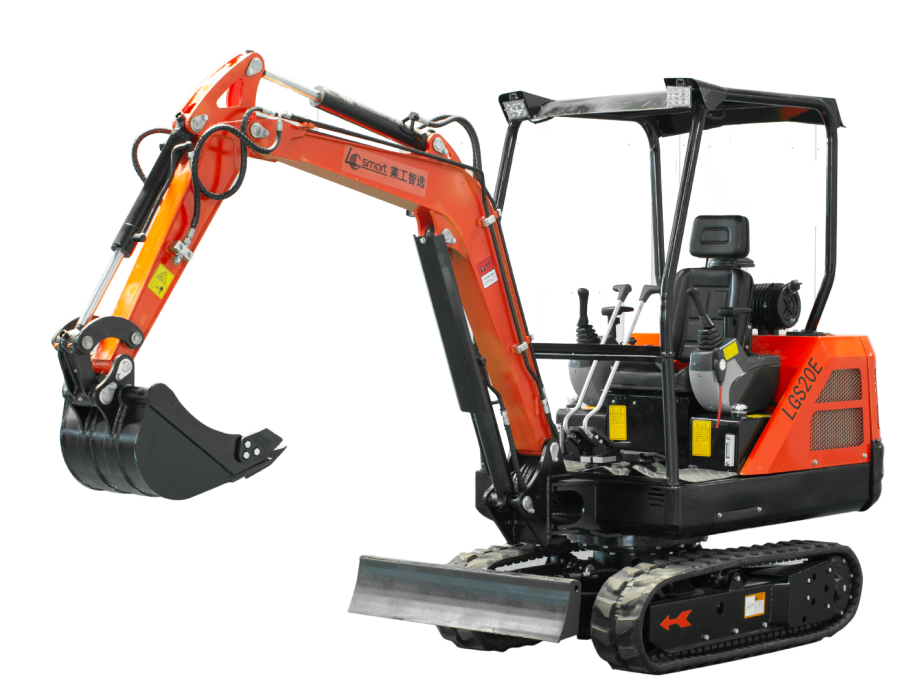
Maximizing Efficiency and Reliability with Construction Wheel Loaders
Release time:
2026-02-26
Construction wheel loader is a cornerstone of modern construction and material handling, offering unmatched versatility and productivity for contractors, infrastructure developers, and mining operators. Designed to handle heavy loads, transport materials, and perform earthmoving tasks efficiently, the wheel loader combines powerful engines, robust hydraulics, and durable tires to ensure performance in the toughest jobsite conditions. This machine is essential for any operation seeking to optimize workflow, reduce downtime, and maintain consistent output under varying terrains and workloads.
The core framework of a construction wheel loader includes key systems such as the engine, transmission, hydraulics, and operator cabin. The engine provides reliable power for lifting and transporting heavy materials, while the transmission ensures smooth and efficient movement across different surfaces. Advanced hydraulic systems enable precise bucket and attachment control, improving loading efficiency and operational safety. The operator cabin is ergonomically designed to reduce fatigue, offering intuitive controls, clear visibility, and climate control for comfort during long working hours. These systems work together to provide a seamless experience, balancing power, precision, and operator well-being.

From a product advantage perspective, construction wheel loaders stand out due to their multi-functionality, efficiency, and durability. Interchangeable attachments, including buckets, forks, and grapples, allow the loader to handle diverse tasks such as gravel transport, soil excavation, and debris clearing. Energy-efficient engines reduce fuel consumption without compromising performance, while reinforced structures and tires enhance durability under continuous heavy use. Many models come equipped with advanced monitoring systems to track maintenance needs, performance metrics, and real-time diagnostics, further reducing unexpected downtime and repair costs.
The practical role of a construction wheel loader extends beyond simple material movement. It acts as a key productivity tool, enabling faster loading and unloading cycles, streamlined site logistics, and better resource management. Contractors can complete projects more quickly and accurately, improving overall profitability. The loader also plays a safety role by reducing manual labor and minimizing the risk of accidents associated with lifting heavy materials manually. Its adaptability allows it to work in construction sites, quarries, mining operations, and large-scale infrastructure projects.
Real-world case studies highlight the value of construction wheel loaders. A road construction company integrated a fleet of wheel loaders to streamline earthmoving operations, reducing project time by 25% while maintaining consistent quality. In a mining operation, wheel loaders were used for loading crushed rock onto transport trucks, improving efficiency and reducing manual labor requirements. A construction contractor working on a large urban development used the loader for both material transport and debris clearing, achieving higher productivity and lower operational costs. These examples demonstrate how the construction wheel loader addresses common pain points such as high labor costs, slow material handling, equipment downtime, and inconsistent project timelines.
In summary, the construction wheel loader is an indispensable tool for modern construction and material handling operations. Its robust design, versatile attachments, energy-efficient systems, and operator-friendly features maximize productivity and safety while reducing operational costs. By incorporating a wheel loader into their fleet, businesses can overcome common construction challenges, improve project timelines, and achieve higher efficiency and reliability on any jobsite. Investing in a construction wheel loader provides a long-term solution that balances power, precision, and cost-effectiveness, helping operators succeed in competitive construction and industrial markets.
Previous page
Latest News