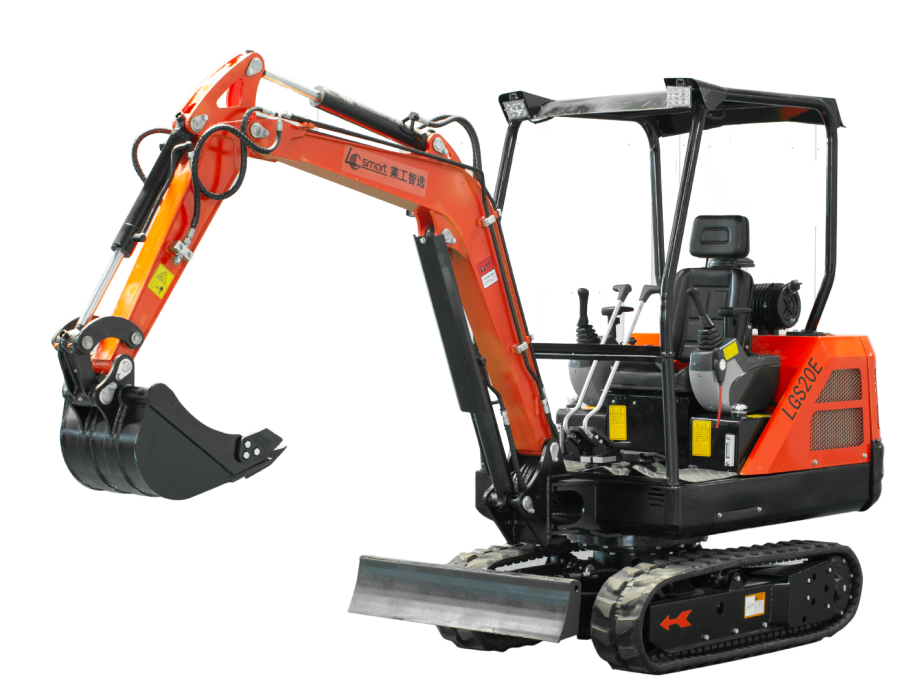
The Top Benefits of Skid Steer Loaders in Heavy Lifting
Release time:
2026-01-12
The Top Benefits of Skid Steer Loaders in Heavy Lifting
Table of Contents
Introduction
What is a Skid Steer Loader?
Key Features of Skid Steer Loaders
Benefits of Skid Steer Loaders in Heavy Lifting
Versatility and Multi-Functionality
Compact Size and Maneuverability
Cost-Effectiveness
Ease of Transportation
Safety and Stability
Applications of Skid Steer Loaders in Va
The Top Benefits of Skid Steer Loaders in Heavy Lifting
Table of Contents
- Introduction
- What is a Skid Steer Loader?
- Key Features of Skid Steer Loaders
- Benefits of Skid Steer Loaders in Heavy Lifting
- Versatility and Multi-Functionality
- Compact Size and Maneuverability
- Cost-Effectiveness
- Ease of Transportation
- Safety and Stability
- Applications of Skid Steer Loaders in Various Industries
- Maintenance Tips for Skid Steer Loaders
- Frequently Asked Questions
- Conclusion
Introduction
In the dynamic world of construction and heavy lifting, **skid steer loaders** have emerged as indispensable tools. Their unique capabilities make them ideal for a variety of tasks, from lifting and moving materials to performing intricate operations in tight spaces. In this article, we will delve into the **top benefits of skid steer loaders** in heavy lifting, illuminating why these machines are a critical asset in the engineering and construction sectors.
What is a Skid Steer Loader?
A skid steer loader is a compact, powerful machine equipped with a rigid frame and no steering wheel. Instead, it utilizes a unique skid-steering mechanism, allowing each track to operate independently. This design enables **superb maneuverability**, making it suitable for a wide range of heavy lifting tasks in confined areas. Available with various attachments, skid steer loaders can perform multiple functions, enhancing their effectiveness on job sites.
Key Features of Skid Steer Loaders
Understanding the features of skid steer loaders helps highlight their advantages. Here are some key characteristics:
- **Compact Design:** Skid steer loaders can navigate through narrow spaces, making them perfect for urban construction sites where space is limited.
- **Versatile Attachments:** From bucket loaders to grapples, these machines can be equipped with numerous attachments, allowing operators to adapt to different tasks easily.
- **Powerful Engine:** With robust engines, skid steer loaders offer significant lifting capabilities, making them ideal for heavy-duty applications.
- **User-Friendly Controls:** Most modern skid steer loaders come with intuitive controls, allowing operators of varying skill levels to operate them efficiently.
Benefits of Skid Steer Loaders in Heavy Lifting
The advantages of using skid steer loaders in heavy lifting extend beyond their design and features. Below are some prominent benefits:
Versatility and Multi-Functionality
Skid steer loaders are renowned for their versatility. Their ability to switch attachments means they can perform various tasks such as:
- **Excavating:** Perfect for digging and removing earth.
- **Transporting:** Efficiently move materials from one location to another.
- **Hauling:** Capable of lifting and transporting heavy loads with ease.
This multi-functionality significantly reduces the need for multiple machines, making them an invaluable asset on any job site.
Compact Size and Maneuverability
The compact size of skid steer loaders allows them to maneuver through tight spots where larger equipment cannot fit. This is particularly beneficial in urban environments or remodeling projects where space is constrained. Their agile design enhances efficiency, allowing workers to complete tasks more quickly and with less disruption to surrounding areas.
Cost-Effectiveness
Investing in a skid steer loader can be a cost-effective choice for construction businesses. Their versatility means that fewer machines are needed for different tasks, thereby lowering acquisition and maintenance costs. Furthermore, skid steer loaders often consume less fuel compared to larger machines, further reducing operational expenses. This makes them an ideal choice for companies looking to maximize their return on investment.
Ease of Transportation
Transporting heavy machinery can be a logistical challenge, but skid steer loaders simplify this process. Due to their compact dimensions and lightweight design, they can be easily loaded onto trailers and transported to different job sites without requiring special permits. This quick mobility ensures that operations can commence sooner rather than later.
Safety and Stability
Safety is paramount on any construction site. Skid steer loaders are designed with stability and operator safety in mind. Their low center of gravity minimizes the risk of tipping over when lifting heavy loads. Additionally, many models come equipped with safety features such as enclosed cabs, seatbelts, and emergency stop buttons to protect the operator.
Applications of Skid Steer Loaders in Various Industries
The applications of skid steer loaders extend across numerous industries, including:
- **Construction:** Used for grading, excavation, and material handling.
- **Landscaping:** Perfect for soil preparation, debris removal, and planting.
- **Agriculture:** Ideal for moving hay bales, clearing fields, and feeding livestock.
- **Mining:** Employed in underground mining for material handling and ground support tasks.
Their adaptability makes skid steer loaders a go-to choice in various sectors, ensuring they remain a relevant tool in heavy lifting.
Maintenance Tips for Skid Steer Loaders
Proper maintenance is crucial for the longevity and performance of skid steer loaders. Here are some essential tips:
- **Regular Inspections:** Conduct routine checks on hydraulic systems, tracks, and engine components.
- **Fluid Levels:** Monitor and maintain appropriate levels of engine oil, hydraulic fluid, and coolant.
- **Clean Filters:** Regularly clean or replace air and oil filters to ensure optimal engine performance.
- **Tire Condition:** Inspect tires for wear and tear, ensuring they provide adequate traction and stability.
Following these maintenance practices helps prevent costly repairs and extends the life of the machine.
Frequently Asked Questions
1. What types of attachments can be used with skid steer loaders?
Skid steer loaders can accommodate a wide variety of attachments, including buckets, forks, graders, augers, and even specialized tools for snow removal or landscaping.
2. How much weight can a skid steer loader lift?
The lifting capacity of skid steer loaders varies by model, but most can lift between 1,500 to 3,500 pounds, depending on the machine's specifications.
3. Are skid steer loaders suitable for residential projects?
Yes, their compact size and versatility make skid steer loaders ideal for residential projects, including landscaping, pool installation, and small-scale excavation work.
4. What safety features should I look for in a skid steer loader?
Look for features such as an enclosed cab, ROPS (Roll Over Protective Structure), seatbelts, and emergency stop buttons to ensure maximum safety for the operator.
5. How often should I perform maintenance on my skid steer loader?
Routine maintenance should be conducted according to the manufacturer's recommendations, typically involving checks every 50-100 hours of operation, with more comprehensive maintenance at longer intervals.
Conclusion
In conclusion, skid steer loaders are pivotal to enhancing efficiency and safety in heavy lifting operations across various industries. Their **versatility, compact design, cost-effectiveness**, and robust performance make them an excellent investment for any construction or engineering project. As we continue to evolve in our practices, embracing such efficient machinery will undoubtedly lead to higher productivity and improved project outcomes. Understanding their benefits not only positions companies to optimize their resources but also solidifies their standing in the competitive market of heavy lifting and construction.
Latest News