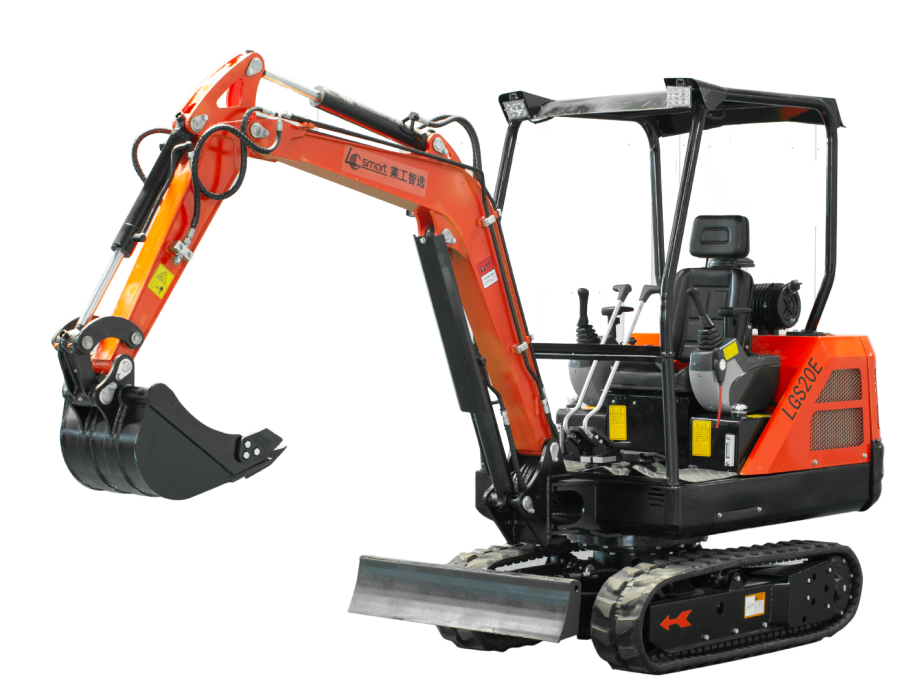
The Versatile Advantages of Telescopic Wheel Loaders in Modern Construction
Release time:
2026-03-14
Telescopic wheel loaders, also known as telehandlers, have increasingly become essential equipment in the construction and manufacturing sectors. These versatile machines combine the functionalities of a traditional wheel loader with the added benefit of a telescoping boom, allowing them to extend their reach and lift capabilities beyond standard loaders. This unique feature makes them indispensab
Telescopic wheel loaders, also known as telehandlers, have increasingly become essential equipment in the construction and manufacturing sectors. These versatile machines combine the functionalities of a traditional wheel loader with the added benefit of a telescoping boom, allowing them to extend their reach and lift capabilities beyond standard loaders. This unique feature makes them indispensable for a variety of applications, from lifting heavy materials to accessing hard-to-reach areas on construction sites.
One of the primary advantages of a telescopic wheel loader is its ability to handle a wide range of tasks. With the telescoping boom, operators can lift materials to significant heights and place them precisely where needed. This is particularly beneficial in construction projects that require lifting materials to upper floors or positioning heavy items in confined spaces. The ability to extend the boom can improve efficiency, as it reduces the need for additional equipment like scaffolding or cranes.
Moreover, telescopic wheel loaders are designed with versatility in mind. They can be equipped with various attachments, such as forks, buckets, and grapples, allowing them to perform different tasks, including loading, unloading, and transporting materials. This adaptability makes them suitable for diverse environments, from construction and agriculture to landscaping and waste management. Operators can easily switch attachments, further enhancing their productivity on the job site.
Safety is another significant consideration when using telescopic wheel loaders. These machines are equipped with advanced stability systems and operator-assistance technologies that help prevent tipping and ensure safe operation. Features such as load sensors and automatic leveling systems contribute to a safer work environment, allowing operators to focus on their tasks without compromising safety standards.
In addition to their operational benefits, telescopic wheel loaders can contribute to the overall productivity of a project. By minimizing downtime and streamlining tasks, these machines can help complete projects more efficiently. Their ability to maneuver in tight spaces and navigate rough terrain also makes them ideal for construction sites where space is at a premium.
In conclusion, the telescopic wheel loader is an invaluable piece of machinery in the engineering and construction sectors. Its combination of reach, versatility, and safety features make it an essential tool for professionals seeking to enhance their operational efficiency. By incorporating these machines into their workflows, companies can significantly improve their productivity, reduce labor costs, and achieve their project goals more effectively. Whether you are lifting materials to great heights or working in confined spaces, the telescopic wheel loader is a solution that meets the diverse needs of modern construction.
One of the primary advantages of a telescopic wheel loader is its ability to handle a wide range of tasks. With the telescoping boom, operators can lift materials to significant heights and place them precisely where needed. This is particularly beneficial in construction projects that require lifting materials to upper floors or positioning heavy items in confined spaces. The ability to extend the boom can improve efficiency, as it reduces the need for additional equipment like scaffolding or cranes.
Moreover, telescopic wheel loaders are designed with versatility in mind. They can be equipped with various attachments, such as forks, buckets, and grapples, allowing them to perform different tasks, including loading, unloading, and transporting materials. This adaptability makes them suitable for diverse environments, from construction and agriculture to landscaping and waste management. Operators can easily switch attachments, further enhancing their productivity on the job site.
Safety is another significant consideration when using telescopic wheel loaders. These machines are equipped with advanced stability systems and operator-assistance technologies that help prevent tipping and ensure safe operation. Features such as load sensors and automatic leveling systems contribute to a safer work environment, allowing operators to focus on their tasks without compromising safety standards.
In addition to their operational benefits, telescopic wheel loaders can contribute to the overall productivity of a project. By minimizing downtime and streamlining tasks, these machines can help complete projects more efficiently. Their ability to maneuver in tight spaces and navigate rough terrain also makes them ideal for construction sites where space is at a premium.
In conclusion, the telescopic wheel loader is an invaluable piece of machinery in the engineering and construction sectors. Its combination of reach, versatility, and safety features make it an essential tool for professionals seeking to enhance their operational efficiency. By incorporating these machines into their workflows, companies can significantly improve their productivity, reduce labor costs, and achieve their project goals more effectively. Whether you are lifting materials to great heights or working in confined spaces, the telescopic wheel loader is a solution that meets the diverse needs of modern construction.
Latest News