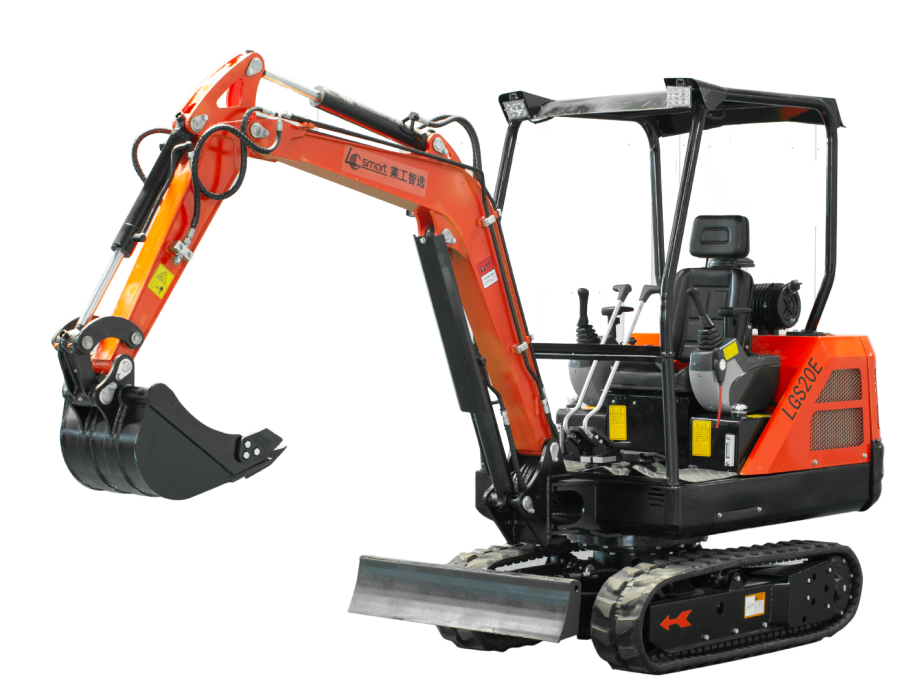
Signs Your Wheel Loader Needs Repairs: What to Look For
Release time:
2026-01-14
Signs Your Wheel Loader Needs Repairs: What to Look For
Table of Contents
Introduction
Understanding Wheel Loaders and Their Importance
Common Signs Your Wheel Loader Needs Repairs
Unusual Noises
Leaks and Fluid Loss
Poor Performance and Handling
Excessive Vibration and Shaking
Warning Lights an
Signs Your Wheel Loader Needs Repairs: What to Look For
Table of Contents
- Introduction
- Understanding Wheel Loaders and Their Importance
- Common Signs Your Wheel Loader Needs Repairs
- Unusual Noises
- Leaks and Fluid Loss
- Poor Performance and Handling
- Excessive Vibration and Shaking
- Warning Lights and Instrument Panel Alerts
- Importance of Timely Repairs
- Maintenance Tips for Wheel Loaders
- When to Call a Professional Mechanic
- Frequently Asked Questions
- Conclusion
Introduction
In the construction and farming industries, **wheel loaders** are indispensable machinery. They are known for their versatility and efficiency in various tasks, from loading materials to clearing debris. However, like any equipment, wheel loaders are susceptible to wear and tear over time. Recognizing the **signs your wheel loader needs repairs** can save you time, money, and prevent further damage. This article delves into the critical indicators that suggest your wheel loader may require immediate attention.
Understanding Wheel Loaders and Their Importance
**Wheel loaders** are heavy-duty machines designed to lift and move materials. They are equipped with a front bucket and are commonly used in construction, landscaping, and agricultural applications. The importance of these machines cannot be overstated. They increase productivity, streamline operations, and can handle various materials, including soil, gravel, and waste. However, routine maintenance and timely repairs are essential to ensure they function optimally.
Common Signs Your Wheel Loader Needs Repairs
Being vigilant about your wheel loader's performance can help in early detection of potential issues. Here are some common signs to watch for:
Unusual Noises
One of the first signs that your wheel loader may require repairs is if you start hearing **unusual noises**. These can include grinding, clattering, or whining sounds. Such noises may indicate problems with the engine, hydraulic system, or drivetrain. Ignoring these sounds can lead to more severe mechanical issues and costly repairs down the line.
Leaks and Fluid Loss
Fluid leaks are a clear indicator that something is amiss with your wheel loader. Whether it’s engine oil, hydraulic fluid, or coolant, **leaks can lead to severe damage** if not addressed promptly. Regularly inspect your machine for any puddles or spots where it is parked. If you notice a decrease in fluid levels, it is crucial to identify the source of the leak and address it immediately.
Poor Performance and Handling
If your wheel loader is struggling to lift loads or is not moving as smoothly as it once did, it's a sign that it may need repairs. **Poor performance** can stem from various issues, such as hydraulic system failure, worn-out components, or engine troubles. Monitoring the machine's operational efficiency is vital for detecting performance-related problems early.
Excessive Vibration and Shaking
Feeling **excessive vibration** or shaking while operating your wheel loader is another red flag. This could indicate an imbalance in the tires, issues with the axles, or even problems with the bucket attachment. Addressing these concerns early on can prevent more severe problems and ensure a smoother operation.
Warning Lights and Instrument Panel Alerts
Modern wheel loaders come equipped with advanced diagnostic systems that alert operators to potential issues. If you see any **warning lights** or alerts on the instrument panel, do not ignore them. These alerts provide valuable information about the machine's health and may point to specific components that need attention.
Importance of Timely Repairs
Addressing repair needs promptly is crucial for several reasons. Firstly, it **prevents further damage** to the machine, which can lead to more expensive repairs or even a complete breakdown. Secondly, timely repairs ensure that the equipment operates at its best, maintaining productivity and efficiency on the job site. Lastly, regular maintenance and repairs can extend the lifespan of your wheel loader, providing better return on investment.
Maintenance Tips for Wheel Loaders
To prolong the life of your wheel loader and reduce the likelihood of needing repairs, consider following these maintenance tips:
Conduct Regular Inspections
Routine inspections can help identify potential problems before they escalate. Check fluid levels, inspect for leaks, and examine the condition of tires and attachments regularly.
Keep the Loader Clean
Debris and dirt can accumulate on moving parts, leading to wear and tear. Regularly clean your wheel loader to prevent build-up and ensure optimal performance.
Monitor Hydraulic Fluid Levels
The hydraulic system is essential for the operation of a wheel loader. Ensure that hydraulic fluid levels are maintained and that there are no leaks in the system.
Follow Manufacturer Guidelines
Always adhere to the manufacturer’s maintenance schedule. This includes oil changes, filter replacements, and any other recommended services.
Invest in Quality Parts
When replacing parts, always choose high-quality components that meet or exceed manufacturer specifications. This will help ensure reliability and longevity.
When to Call a Professional Mechanic
While some repair tasks may be manageable for the owner/operator, others require professional expertise. Here are scenarios when you should consider calling a mechanic:
- **Complex Repairs**: If the issue involves the engine or hydraulic system and you’re unsure how to proceed, it’s best to consult a professional.
- **Persistent Problems**: If you’ve addressed a problem but it keeps recurring, a mechanic can diagnose underlying issues.
- **Safety Concerns**: If your wheel loader becomes unsafe to operate, do not hesitate to seek professional help.
Frequently Asked Questions
1. What are the most common problems with wheel loaders?
Common issues include hydraulic fluid leaks, engine troubles, and wear on tires and components.
2. How often should I perform maintenance on my wheel loader?
It is advisable to perform maintenance according to the manufacturer’s recommended schedule, typically every 250 hours of operation.
3. Can I repair my wheel loader myself?
Some minor repairs can be performed by the owner, but it is recommended to seek professional help for complex issues.
4. What should I do if I notice a leak in my wheel loader?
Identify the source of the leak and address it immediately. If unsure, consult a professional mechanic for assistance.
5. How can I extend the lifespan of my wheel loader?
Regular maintenance, prompt repairs, and using quality parts can significantly extend the lifespan of your wheel loader.
Conclusion
Understanding the **signs your wheel loader needs repairs** is essential for maintaining the efficiency and longevity of your equipment. By staying vigilant and recognizing early indicators of potential problems, you can take proactive measures to ensure your machinery remains in peak condition. Regular maintenance, prompt repairs, and professional assistance when necessary will not only keep your wheel loader running smoothly but also enhance productivity on your job sites. Stay informed, and keep your wheel loader operating at its best!
Previous page
Latest News