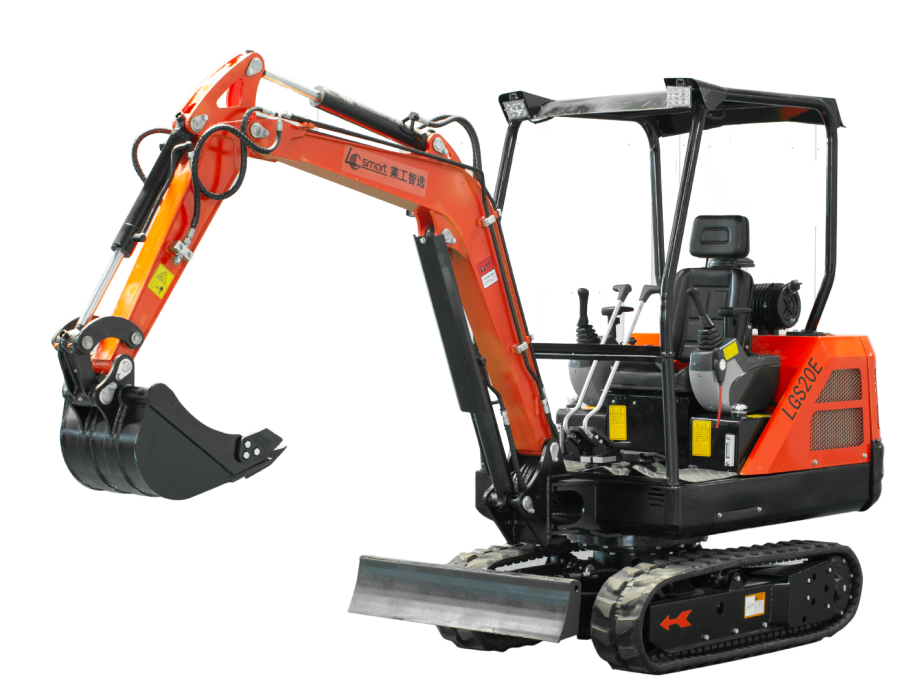
Understanding Forklifts: Essential Knowledge for the Transportation and Warehousing Industry
Release time:
2026-02-28
Forklifts are powered industrial trucks used for lifting and transporting materials over short distances. They are commonly employed in warehouses, production facilities, and construction sites, where they significantly enhance efficiency and productivity. Understanding the various types of forklifts and their applications can help businesses optimize their operations.
There are several types of f
Forklifts are powered industrial trucks used for lifting and transporting materials over short distances. They are commonly employed in warehouses, production facilities, and construction sites, where they significantly enhance efficiency and productivity. Understanding the various types of forklifts and their applications can help businesses optimize their operations.
There are several types of forklifts, each designed for specific tasks. The most common types include counterbalance forklifts, reach trucks, and pallet jacks. Counterbalance forklifts are versatile and can handle a wide range of loads, making them ideal for general use in warehouses. Reach trucks are specifically designed for narrow aisles, allowing operators to reach high shelves and maximize storage space. Pallet jacks, while simpler, are essential for moving pallets and are an economical choice for lightweight lifting.
When considering the use of forklifts, safety should be a primary concern. Operators must be trained and certified to ensure safe handling and operation. OSHA (Occupational Safety and Health Administration) regulations provide guidelines for training programs and safety measures that should be implemented in the workplace.
In addition to safety training, regular maintenance of forklifts is essential to prevent breakdowns and ensure longevity. It’s important to carry out routine checks on critical components such as brakes, tires, and hydraulic systems. Keeping the forklifts in optimal working condition not only enhances safety but also improves productivity by minimizing downtime.
Another factor to consider is the environment in which the forklift will operate. Indoor and outdoor conditions can greatly influence the choice of forklift. For instance, electric forklifts are suitable for indoor use due to their zero-emission features, while internal combustion forklifts can handle rough terrain outdoors. Understanding these distinctions can help businesses make informed decisions regarding their fleet.
Moreover, advancements in technology are shaping the future of forklifts. Features such as telematics, which provide data on usage and maintenance needs, are becoming more prevalent. These innovations help businesses monitor their equipment closely, allowing for better decision-making and resource allocation.
In conclusion, forklifts are vital tools in the transportation and warehousing industries, facilitating efficient material handling. By understanding the types of forklifts available, prioritizing safety, ensuring regular maintenance, and keeping abreast of technological advancements, businesses can enhance their operational efficiencies and maintain a competitive edge in the market.
There are several types of forklifts, each designed for specific tasks. The most common types include counterbalance forklifts, reach trucks, and pallet jacks. Counterbalance forklifts are versatile and can handle a wide range of loads, making them ideal for general use in warehouses. Reach trucks are specifically designed for narrow aisles, allowing operators to reach high shelves and maximize storage space. Pallet jacks, while simpler, are essential for moving pallets and are an economical choice for lightweight lifting.
When considering the use of forklifts, safety should be a primary concern. Operators must be trained and certified to ensure safe handling and operation. OSHA (Occupational Safety and Health Administration) regulations provide guidelines for training programs and safety measures that should be implemented in the workplace.
In addition to safety training, regular maintenance of forklifts is essential to prevent breakdowns and ensure longevity. It’s important to carry out routine checks on critical components such as brakes, tires, and hydraulic systems. Keeping the forklifts in optimal working condition not only enhances safety but also improves productivity by minimizing downtime.
Another factor to consider is the environment in which the forklift will operate. Indoor and outdoor conditions can greatly influence the choice of forklift. For instance, electric forklifts are suitable for indoor use due to their zero-emission features, while internal combustion forklifts can handle rough terrain outdoors. Understanding these distinctions can help businesses make informed decisions regarding their fleet.
Moreover, advancements in technology are shaping the future of forklifts. Features such as telematics, which provide data on usage and maintenance needs, are becoming more prevalent. These innovations help businesses monitor their equipment closely, allowing for better decision-making and resource allocation.
In conclusion, forklifts are vital tools in the transportation and warehousing industries, facilitating efficient material handling. By understanding the types of forklifts available, prioritizing safety, ensuring regular maintenance, and keeping abreast of technological advancements, businesses can enhance their operational efficiencies and maintain a competitive edge in the market.
Latest News