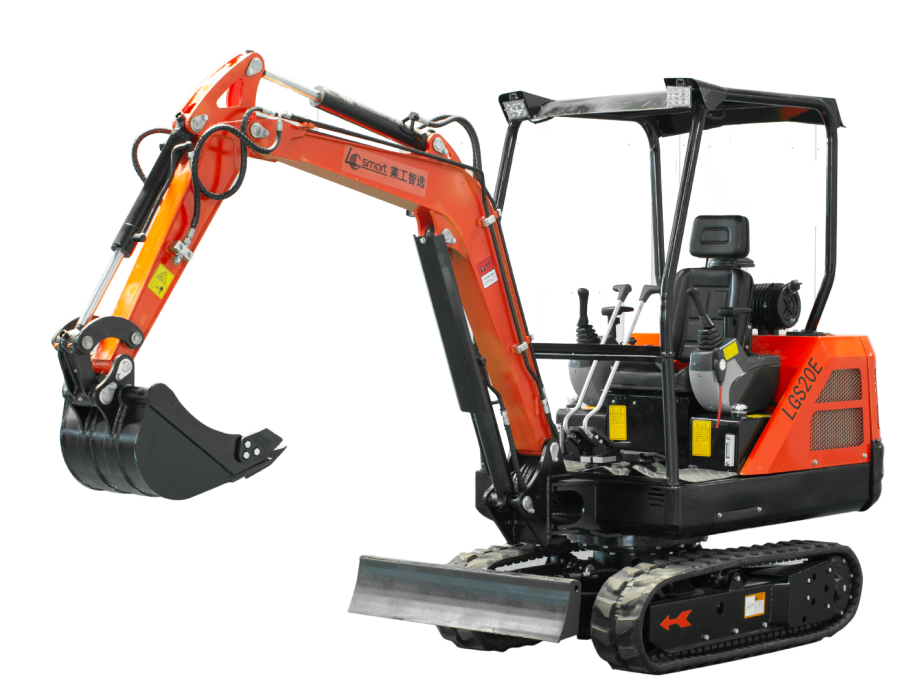
The Advantages of Electric Wheel Loaders in Construction: Revolutionizing Efficiency and Sustainability
Release time:
2026-04-22
The Benefits of Using Electric Wheel Loaders in Construction
Introduction
In recent years, the construction industry has witnessed a significant shift towards sustainability and efficiency. Among the most notable innovations driving this change is the electric wheel loader. These machines are not just a passing trend; they are revolutionizing how construction projects are executed worldwide. As we
The Benefits of Using Electric Wheel Loaders in Construction
Introduction
In recent years, the construction industry has witnessed a significant shift towards sustainability and efficiency. Among the most notable innovations driving this change is the electric wheel loader. These machines are not just a passing trend; they are revolutionizing how construction projects are executed worldwide. As we delve deeper into the various benefits of using electric wheel loaders in construction, we will uncover why they are becoming indispensable tools for contractors and builders alike.
Understanding Electric Wheel Loaders
What Are Electric Wheel Loaders?
Electric wheel loaders are heavy construction equipment powered by electric motors instead of traditional diesel engines. This shift from fossil fuels to electric power is not just a minor adjustment; it represents a fundamental change in how these machines operate and contribute to construction projects.
The Technology Behind Electric Wheel Loaders
Electric wheel loaders utilize advanced battery technology, often employing lithium-ion batteries. These batteries provide several advantages, including longer operational times, faster charging, and reduced maintenance compared to their diesel counterparts. The integration of smart technology further enhances their efficiency, allowing for real-time performance monitoring and optimization.
The Key Benefits of Electric Wheel Loaders
1. Environmental Sustainability
One of the most compelling reasons to adopt electric wheel loaders is their **environmental benefits**. Unlike diesel machines, electric loaders produce zero emissions during operation. This drastically reduces the carbon footprint of construction sites, aligning with global sustainability goals. As cities increasingly prioritize green building practices, the demand for low-emission equipment will continue to rise.
Reducing Noise Pollution
In addition to lowering emissions, electric wheel loaders significantly reduce noise pollution. This is particularly advantageous in urban environments where construction noise can disrupt nearby residents and businesses. The quiet operation of electric loaders allows for work to continue with minimal disturbance, making it easier to comply with local regulations regarding noise levels.
2. Cost Efficiency and Savings
While the initial investment in electric wheel loaders may be higher than that of traditional machines, the long-term savings are significant. The operational costs of electric loaders are considerably lower due to reduced fuel expenses and maintenance requirements.
Lower Fuel Costs
Electric wheel loaders do not require gasoline or diesel, leading to substantial savings in fuel costs. With energy prices generally being lower than fossil fuel prices, companies can enjoy reduced operational costs.
Maintenance Savings
Electric loaders have fewer moving parts than their diesel counterparts, resulting in lower maintenance requirements. This not only saves money but also reduces downtime, allowing projects to stay on schedule.
3. Improved Performance and Productivity
Electric wheel loaders are designed to deliver excellent performance, often matching or exceeding the capabilities of traditional loaders. They offer powerful torque and rapid acceleration, enabling them to handle heavy loads with ease.
Enhanced Precision and Control
The electric powertrain provides **superior control and precision**. Operators can easily modulate the speed and power output, allowing for more delicate operations, such as lifting and placing materials with accuracy.
Faster Charging Times
With advancements in charging technology, many electric wheel loaders can be charged quickly, minimizing downtime. Some models can be fully charged in just a few hours, allowing for extended use throughout the workday.
4. Safety Enhancements
Safety is paramount in construction, and electric wheel loaders contribute to a safer work environment in several ways.
Less Risk of Fuel Spills
Electric machines eliminate the risk of fuel spills, which can pose hazards to workers and the environment. This contributes to a cleaner and safer job site.
Advanced Safety Features
Many electric wheel loaders come equipped with cutting-edge safety technologies, such as automatic braking systems and enhanced visibility features. These advancements help operators avoid accidents and improve overall site safety.
5. Versatility in Applications
Electric wheel loaders are versatile machines that can be employed in a wide range of construction applications. Their adaptability makes them suitable for various tasks, including material handling, excavation, and site preparation.
Ideal for Indoor and Urban Settings
Due to their low emissions and noise levels, electric wheel loaders are particularly well-suited for indoor projects and urban construction sites, where traditional machines may be restricted due to environmental regulations.
Case Studies: Successful Implementation of Electric Wheel Loaders
Real-World Examples
Several construction companies have successfully integrated electric wheel loaders into their operations, showcasing the benefits discussed.
Case Study 1: City Infrastructure Project
A city infrastructure project in **San Francisco** adopted electric wheel loaders to comply with stringent local emissions regulations. The project reported a **30% reduction in operational costs** and improved relations with the community due to reduced noise pollution.
Case Study 2: Mining Operations
In a mining operation in **Sweden**, electric wheel loaders were introduced, resulting in a significant decrease in greenhouse gas emissions. The company highlighted increased productivity and worker satisfaction due to the quieter working environment.
Challenges and Considerations
Initial Costs vs. Long-Term Benefits
While the benefits of electric wheel loaders are substantial, the initial investment can be a barrier for some companies. It's essential to conduct a thorough cost-benefit analysis to understand the long-term savings and operational efficiencies these machines can provide.
Battery Life and Technology Limitations
Battery technology, while advancing rapidly, still presents challenges regarding operational duration and charging infrastructure. Companies must assess their specific needs to determine if electric wheel loaders are a viable solution for their projects.
FAQs About Electric Wheel Loaders
1. How long do electric wheel loaders run on a single charge?
The operational time on a single charge varies depending on the model and workload but generally ranges from 6 to 12 hours.
2. Are electric wheel loaders suitable for all types of construction projects?
Yes, electric wheel loaders are versatile and can be used in many applications, including residential, commercial, and industrial construction projects.
3. What is the charging time for electric wheel loaders?
Charging times can vary, but most models can be fully charged within 3 to 8 hours, depending on the battery size and charger type.
4. Do electric wheel loaders require special maintenance?
While electric wheel loaders require less maintenance than diesel machines, regular inspections and battery maintenance are essential to ensure optimal performance.
5. Can electric wheel loaders operate in extreme weather conditions?
Electric wheel loaders are designed to operate in various weather conditions. However, extreme temperatures may affect battery performance, and operators should take precautions as necessary.
Conclusion
The transition to electric wheel loaders is not just a trend; it represents a significant advancement in the construction industry. With their numerous benefits, including environmental sustainability, cost efficiency, improved productivity, and enhanced safety, electric wheel loaders are paving the way for a greener and more efficient future in construction. As we continue to face challenges related to climate change and resource depletion, embracing electric technology in heavy machinery will be crucial in shaping the industry's future. The time to invest in electric wheel loaders is now, as they will undoubtedly play an essential role in driving sustainable construction practices forward.
Latest News