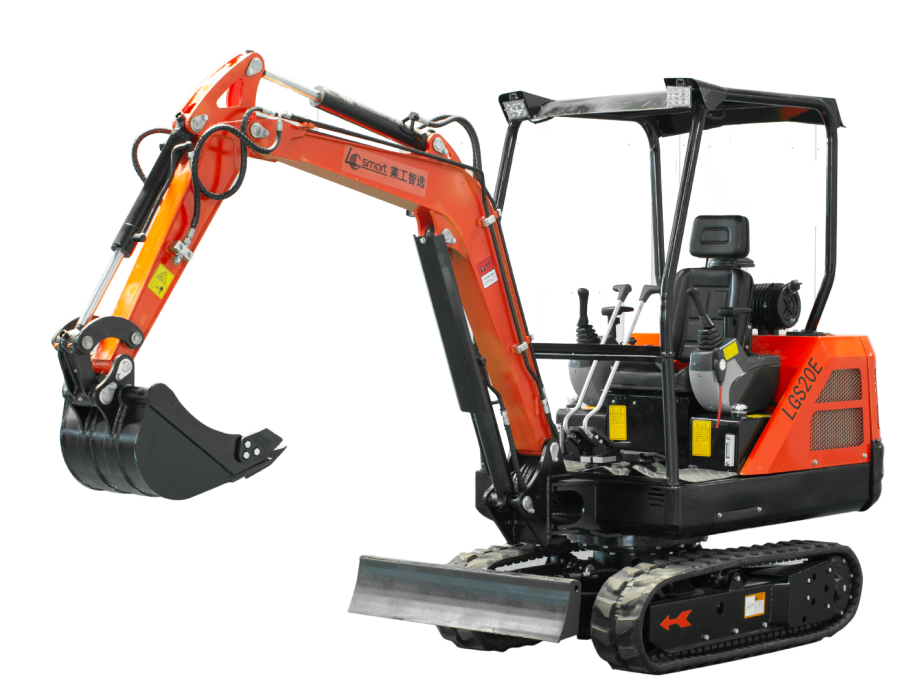
Maximizing Efficiency: Transform Your Workflow with Wheel Loaders
Release time:
2026-09-12
Maximizing Efficiency: How a Wheel Loader Can Transform Your Workflow
Table of Contents
1. Introduction to Wheel Loaders
2. Key Features of Wheel Loaders
2.1 Engine Power and Performance
2.2 Versatility and Attachments
2.3 Operator Comfort and Safety
3. How Wheel Loaders Enhance Workflow Efficiency
3.1 Time-Saving Benefits
3.2 Cost Reduction Strategies
4. Choosing the Right Whe
Maximizing Efficiency: How a Wheel Loader Can Transform Your Workflow
Table of Contents
1. Introduction to Wheel Loaders
2. Key Features of Wheel Loaders
2.1 Engine Power and Performance
2.2 Versatility and Attachments
2.3 Operator Comfort and Safety
3. How Wheel Loaders Enhance Workflow Efficiency
3.1 Time-Saving Benefits
3.2 Cost Reduction Strategies
4. Choosing the Right Wheel Loader for Your Needs
4.1 Size and Capacity Considerations
4.2 Environmental Factors
5. Maintenance Best Practices for Optimal Performance
5.1 Routine Checks and Services
5.2 Importance of Proper Training
6. Real-World Case Studies
7. Frequently Asked Questions (FAQs)
8. Conclusion
1. Introduction to Wheel Loaders
In the world of construction and heavy machinery, **wheel loaders** have emerged as indispensable tools that significantly enhance productivity and efficiency on job sites. These powerful machines are designed for various tasks, including material handling, earthmoving, and site preparation. By integrating a wheel loader into your operations, you can streamline workflows and maximize efficiency, ultimately leading to improved project outcomes and cost savings.
2. Key Features of Wheel Loaders
Understanding the features of wheel loaders is crucial for appreciating how they contribute to workflow efficiency. Here, we will explore some of the primary attributes that make these machines essential in the construction and agricultural sectors.
2.1 Engine Power and Performance
The engine power of a wheel loader directly influences its performance. Most modern wheel loaders are equipped with high-performance engines that offer exceptional torque and horsepower. This means they can handle heavy loads with ease, reducing the time taken for each task. A robust engine also ensures that the machine can operate efficiently in various terrains and conditions, making it an ideal choice for diverse applications.
2.2 Versatility and Attachments
One of the most significant advantages of wheel loaders is their versatility. These machines can be equipped with a wide range of attachments, such as buckets, forks, and grapples, allowing them to perform multiple functions. Whether you need to move dirt, transport materials, or load trucks, a wheel loader can adapt to your specific requirements. This multifunctionality minimizes the need for multiple machines, which in turn reduces operational costs and maximizes site efficiency.
2.3 Operator Comfort and Safety
Operator comfort is a critical aspect of any heavy machinery. Wheel loaders are designed with ergonomic controls and spacious cabins that enhance comfort during long hours of operation. Moreover, safety features such as advanced visibility, stability controls, and emergency stop systems contribute to a safer working environment. When operators feel safe and comfortable, they are more productive, which positively impacts overall workflow efficiency.
3. How Wheel Loaders Enhance Workflow Efficiency
Wheel loaders play a pivotal role in improving workflow efficiency in various ways. Understanding these benefits can help businesses make informed decisions when integrating these machines into their operations.
3.1 Time-Saving Benefits
One of the primary advantages of using a wheel loader is the significant reduction in time spent on various tasks. With their high lifting capabilities and fast cycle times, these machines can complete loading and unloading processes much quicker than manual labor or smaller machines. This time efficiency translates into shorter project timelines, allowing businesses to take on more projects and increasing their overall profitability.
3.2 Cost Reduction Strategies
Incorporating wheel loaders into your workflow can lead to substantial cost savings. The enhanced efficiency reduces labor costs, as fewer workers are needed to complete tasks. Additionally, the durability and reliability of wheel loaders mean that they require less frequent repairs and maintenance, resulting in lower operational costs over time. By investing in a quality wheel loader, businesses can expect a healthy return on investment.
4. Choosing the Right Wheel Loader for Your Needs
Selecting the appropriate wheel loader is crucial for maximizing its benefits. Several factors should be considered to ensure you choose the right model for your workflow.
4.1 Size and Capacity Considerations
The size of the wheel loader you choose should align with the scale of your operations. Smaller models may be ideal for confined spaces or minor tasks, while larger models can handle more significant loads and broader applications. Understanding your specific needs will help you select a machine that enhances efficiency without compromising performance.
4.2 Environmental Factors
Consider the environment in which the wheel loader will operate. Factors such as terrain type, climate, and project requirements can influence your choice. For instance, if you need to work on soft or uneven ground, a machine with larger tires and enhanced stability may be necessary. Conversely, for urban areas with limited space, a compact wheel loader would be more practical.
5. Maintenance Best Practices for Optimal Performance
To ensure that your wheel loader operates at peak efficiency, regular maintenance is essential. Adhering to best practices can prolong the life of your machine and enhance its overall productivity.
5.1 Routine Checks and Services
Performing routine checks, such as fluid levels, tire pressure, and hydraulic systems, can help identify potential issues before they escalate. Scheduling regular service intervals with a certified technician also ensures that your machine remains in optimal working condition, reducing downtime and costly repairs.
5.2 Importance of Proper Training
Investing in operator training is fundamental to maximizing the efficiency of your wheel loader. Trained operators are more adept at utilizing the machine's features and capabilities, leading to increased productivity and a safer work environment. Proper training also minimizes the risk of accidents and damage to the equipment.
6. Real-World Case Studies
Many companies have successfully integrated wheel loaders into their operations, resulting in enhanced efficiency and productivity. For example, a construction firm that utilizes wheel loaders for material handling has reported a 30% reduction in project timelines and a significant decrease in labor costs. By analyzing real-world applications, we can further appreciate the transformative impact of wheel loaders on workflows.
7. Frequently Asked Questions (FAQs)
What tasks can a wheel loader perform?
Wheel loaders can perform various tasks, including loading materials, transporting goods, and grading surfaces. With the right attachments, they can also handle lifting, digging, and material placement.
How do I choose the right size wheel loader?
Choosing the right size depends on the nature of your projects, the weight of materials you need to handle, and the working environment. Evaluate your specific needs and consult with a dealer for personalized recommendations.
Are wheel loaders fuel-efficient?
Most modern wheel loaders are designed to be fuel-efficient, featuring technologies that optimize engine performance. However, actual fuel efficiency can vary based on usage, load, and maintenance practices.
What safety features should I look for in a wheel loader?
Look for features such as enhanced visibility, stability controls, emergency stop systems, and operator protective structures (OPS). These features contribute to a safer working environment.
How can I extend the lifespan of my wheel loader?
Regular maintenance, proper operator training, and timely repairs are essential for extending the lifespan of your wheel loader. Following manufacturer guidelines and service recommendations will also help keep your machine in top condition.
8. Conclusion
In conclusion, integrating a **wheel loader** into your workflow can dramatically improve efficiency and productivity, ultimately transforming your operational capabilities. With their powerful performance, versatility, and focus on operator safety, wheel loaders are invaluable assets in the construction and manufacturing industries. By understanding the features, benefits, and best practices associated with wheel loaders, businesses can maximize their investment and achieve significant cost savings while completing projects on time and within budget. Embrace the power of wheel loaders and witness how they can revolutionize your workflow and enhance your business outcomes.
Previous page
Latest News