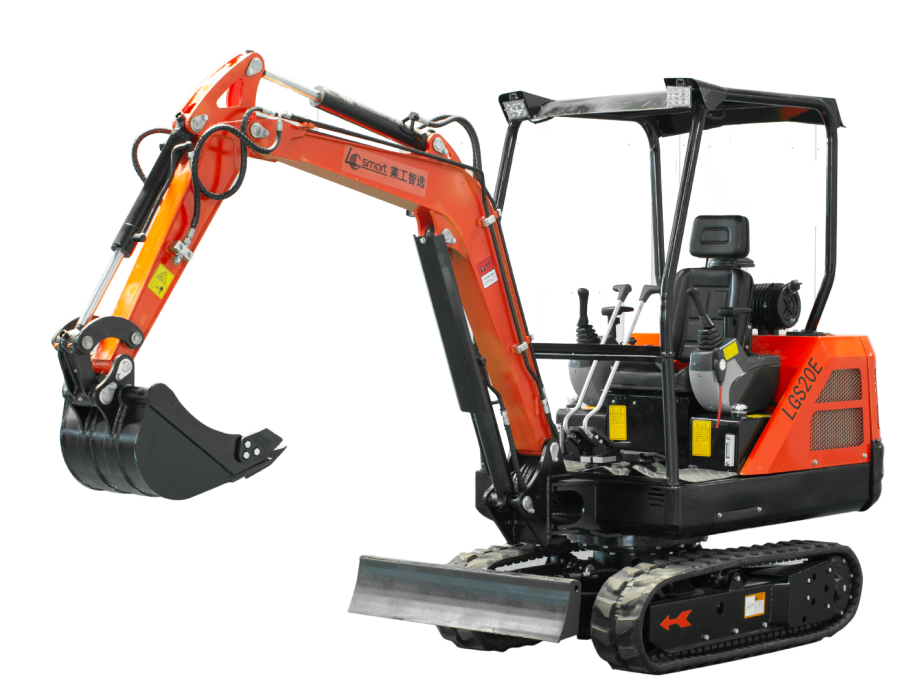
Wheel Loaders: The Indispensable Engine of Efficient Supply Chain Management
Release time:
2026-02-09
Introduction to Wheel Loaders and Supply Chain Management
In the fast-paced realm of modern logistics, **wheel loaders** have emerged as indispensable machinery that significantly impacts supply chain management. These robust pieces of equipment facilitate the efficient movement of materials across various sectors, including construction, manufacturing, and agriculture. Understanding their funct
Introduction to Wheel Loaders and Supply Chain Management
In the fast-paced realm of modern logistics, **wheel loaders** have emerged as indispensable machinery that significantly impacts supply chain management. These robust pieces of equipment facilitate the efficient movement of materials across various sectors, including construction, manufacturing, and agriculture. Understanding their function and importance can help businesses optimize their operations and improve overall productivity.
What Are Wheel Loaders?
Wheel loaders, also known as front-end loaders, are heavy construction equipment used primarily for lifting and moving materials. Characterized by a front-mounted bucket, these machines can perform various tasks, from loading and unloading to digging and grading. Their versatility makes them essential for multiple applications, ensuring that operations run smoothly and efficiently.
Key Features of Wheel Loaders
Investing in wheel loaders entails understanding their vital features, which contribute to their effectiveness in supply chain management.
1. Powerful Engine and Performance
Wheel loaders are equipped with high-performance engines that offer impressive power and torque. This capability enables them to handle heavy loads, making them ideal for demanding environments. With advanced technology, these engines also promote fuel efficiency, reducing operational costs.
2. Versatile Attachments
One of the strengths of wheel loaders lies in their adaptability. They can be outfitted with various attachments, such as forks, grapples, and buckets, to perform diverse tasks. This versatility allows businesses to use wheel loaders for various functions, from loading materials to transporting goods.
3. Advanced Hydraulics
The hydraulic system in wheel loaders is crucial for their operation. These systems enhance lifting capabilities and allow for smooth, precise movements. Advanced hydraulics contribute to the loader's efficiency, ensuring quick cycles and minimizing downtime.
4. Operator Comfort and Safety
Modern wheel loaders come equipped with ergonomic cabins designed for operator comfort. Features such as adjustable seating, climate control, and intuitive controls enhance the user experience. Additionally, safety features such as visibility aids, backup alarms, and stability systems ensure safe operation in various environments.
The Role of Wheel Loaders in Supply Chain Management
The integration of wheel loaders into supply chain operations can streamline processes, improve productivity, and ultimately enhance profitability. Here's how they contribute to efficient supply chain management.
1. Material Handling Efficiency
Wheel loaders excel in moving materials quickly and efficiently. They can load and unload trucks, transfer materials between locations, and stockpile inventory, reducing handling times and improving throughput. By optimizing material handling, businesses can enhance their supply chain efficiency.
2. Increased Productivity
With their powerful engines and versatile attachments, wheel loaders can complete tasks faster than manual labor. This increase in productivity means that operations can run smoothly, allowing businesses to meet customer demands more effectively.
3. Cost-Effectiveness
While the initial investment in wheel loaders may be significant, their long-term benefits outweigh the costs. Enhanced productivity, reduced labor requirements, and lower operational expenses contribute to overall cost savings. Additionally, the durability of these machines ensures that they provide reliable service over time.
4. Flexibility in Operations
Wheel loaders can operate in various environments, from construction sites to warehouses. Their adaptability allows businesses to shift operations as needed without the requirement for additional equipment, making them a flexible tool in supply chain management.
Best Practices for Utilizing Wheel Loaders in Supply Chains
To maximize the benefits of wheel loaders, businesses should adhere to specific best practices that ensure efficient and effective operation.
1. Regular Maintenance and Inspections
Routine maintenance is crucial for the longevity and performance of wheel loaders. Implementing a regular inspection schedule helps identify potential issues before they escalate, ensuring that equipment operates optimally.
2. Operator Training and Certification
Investing in skilled operators is vital. Providing comprehensive training programs ensures that operators are familiar with the machine's capabilities and safety protocols. Certified operators can utilize wheel loaders more efficiently, reducing risks and enhancing productivity.
3. Load Management Techniques
Understanding load limits and proper loading techniques is essential for safe and efficient operation. Operators should be trained in load distribution and weight management to prevent equipment damage and maintain safety on-site.
4. Integration with Other Equipment
For optimal supply chain performance, wheel loaders should be integrated with other machinery and technology. Coordinating their use with trucks, conveyors, and inventory management systems can streamline operations and enhance workflow efficiency.
Technological Advancements Influencing Wheel Loaders
The landscape of wheel loaders is continuously evolving, thanks to advancements in technology. These innovations are shaping how businesses approach supply chain management.
1. Telemetrics and Telematics
Modern wheel loaders are increasingly equipped with telematics systems that provide real-time data on machine performance, fuel consumption, and maintenance needs. This data-driven approach allows businesses to make informed decisions and optimize operations based on actual performance metrics.
2. Automation and Autonomous Solutions
As technology progresses, automation is becoming a reality for wheel loaders. Autonomous operations can improve efficiency and safety by reducing human error. Companies are exploring these options to enhance productivity and streamline workflows further.
3. Electric and Hybrid Models
With the push for sustainability, electric and hybrid wheel loaders are gaining traction. These models offer reduced emissions and lower operating costs, aligning with environmentally conscious supply chain practices.
Case Studies: Successful Implementation of Wheel Loaders
Several companies have successfully integrated wheel loaders into their supply chain operations, reaping substantial benefits. Here are some noteworthy examples.
1. Construction Industry
A leading construction firm implemented wheel loaders for material handling on large job sites. By utilizing these machines, they reduced loading and unloading times by 30%, significantly enhancing project timelines.
2. Agricultural Sector
An agricultural enterprise incorporated wheel loaders for transporting bulk materials on farms. This adaptation improved efficiency, allowing the company to increase productivity by 25%, leading to higher yields during harvest seasons.
3. Manufacturing Facilities
A manufacturing facility upgraded its material handling processes by introducing wheel loaders. The integration minimized downtime and streamlined the movement of raw materials, resulting in a 20% reduction in overall production costs.
Future Trends in Wheel Loaders and Supply Chain Management
As industries evolve, so will the role of wheel loaders in supply chain management. Here are some trends to watch for in the future.
1. Enhanced Connectivity and IoT Integration
The Internet of Things (IoT) is set to revolutionize wheel loader operations. Enhanced connectivity can provide real-time insights into equipment performance, workforce efficiency, and supply chain logistics.
2. Sustainability Initiatives
As environmental concerns continue to rise, the demand for eco-friendly machinery will grow. The development of electric or hybrid wheel loaders will likely become standard practice, allowing companies to meet sustainability goals while maintaining productivity.
Conclusion
In conclusion, wheel loaders serve as a **key component** of effective supply chain management. Their versatility, efficiency, and adaptability make them essential in various industries. By implementing best practices and embracing technological advancements, businesses can leverage wheel loaders to enhance productivity, reduce costs, and streamline operations. As we look forward, the future of wheel loaders in supply chain management holds exciting possibilities that will further improve efficiency and sustainability across the board.
FAQs
1. What are the main benefits of wheel loaders in supply chain management?
**Wheel loaders** improve material handling efficiency, increase productivity, reduce operational costs, and provide flexibility across various applications.
2. How do I choose the right wheel loader for my business?
Consider factors such as the type of materials you'll be handling, the weight capacity required, and any specific attachments necessary for your operations.
3. What is the average lifespan of a wheel loader?
With proper maintenance, **wheel loaders** can last between 10 to 15 years, depending on usage and model.
4. How can I reduce operational costs related to wheel loaders?
Implementing regular maintenance schedules, investing in skilled operators, and utilizing fuel-efficient models can help lower operational costs.
5. Are there any training requirements for operating a wheel loader?
Yes, operators should undergo training to ensure they are familiar with machine safety, controls, and best practices for efficient operation.
Latest News