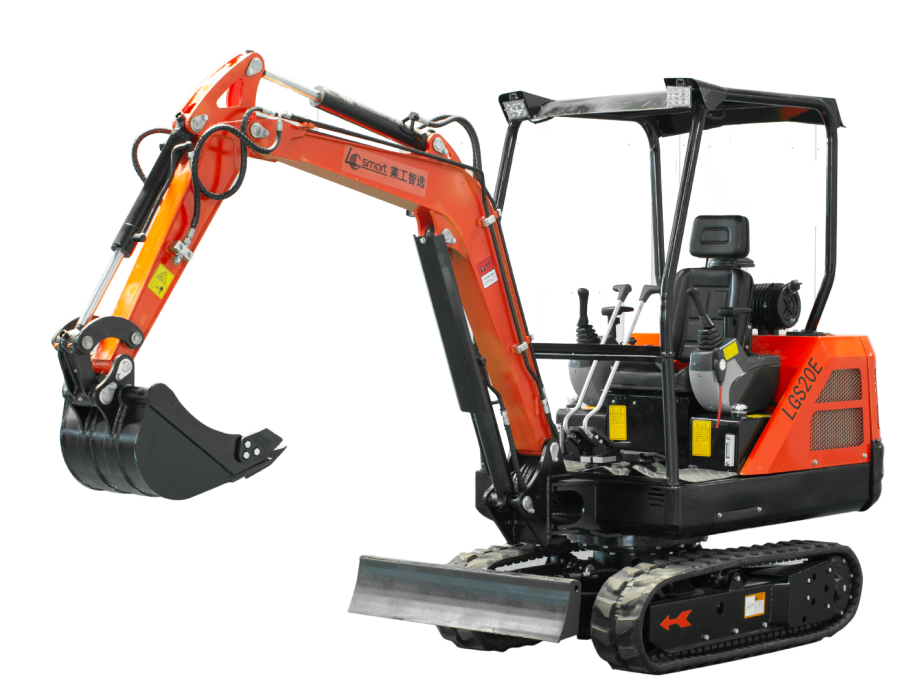
Maximize Your Excavation Efforts with a Versatile Skid Steer Loader
Release time:
2026-04-26
Maximize Your Excavation Efforts with a Versatile Skid Steer Loader
Introduction to Skid Steer Loaders
Skid steer loaders have become essential machines in the construction and excavation industry. These compact yet powerful vehicles are designed to maneuver in tight spaces while offering exceptional versatility. Their unique design allows for a variety of attachments, making them incredibly adapt
Maximize Your Excavation Efforts with a Versatile Skid Steer Loader
Introduction to Skid Steer Loaders
Skid steer loaders have become essential machines in the construction and excavation industry. These compact yet powerful vehicles are designed to maneuver in tight spaces while offering exceptional versatility. Their unique design allows for a variety of attachments, making them incredibly adaptable for numerous applications, from digging and grading to lifting and hauling.
Understanding the Versatility of Skid Steer Loaders
One of the standout features of skid steer loaders is their versatility. Unlike traditional excavation equipment, skid steers can be equipped with multiple attachments, such as buckets, forks, and grapples. This adaptability makes them suitable for different projects, from landscaping to heavy-duty excavation.
Types of Attachments for Skid Steer Loaders
Choosing the right attachment can dramatically enhance the performance of your skid steer loader. Here are some popular attachments that maximize excavation efforts:
1. Buckets
Buckets are the most common attachment for skid steer loaders, ideal for digging and moving materials like dirt, gravel, and debris. They come in various sizes and shapes, tailored for specific tasks.
2. Augers
Augers are perfect for drilling holes in the ground. They are particularly useful for setting fence posts or planting trees, making them a must-have for landscaping projects.
3. Forks
Forks allow you to lift and transport pallets or heavy materials. This attachment is particularly useful in warehouses or during the material handling phase of construction.
4. Grapples
Grapples are designed for gripping and moving bulky items like logs or scrap materials. They offer a secure hold and are great for demolition sites or landscaping.
5. Brooms
Brooms are essential for site cleanup. They can quickly sweep away debris, leaving a clean work area essential for safety and efficiency.
Benefits of Using a Skid Steer Loader for Excavation
Utilizing a skid steer loader for excavation projects offers numerous advantages:
1. Enhanced Maneuverability
Skid steer loaders are designed for tight spaces, allowing them to operate in areas where larger machines cannot. Their compact size and tight turning radius enable them to navigate through congested job sites easily.
2. Increased Efficiency
With the ability to switch attachments quickly, a skid steer loader minimizes downtime. Operators can effortlessly transition from one task to another, maximizing productivity on the job site.
3. Cost-Effectiveness
Investing in a skid steer loader can be a cost-effective solution for contractors. Their versatility means fewer machines are needed, leading to lower operational costs. In addition, their compact design reduces wear and tear on the job site.
4. User-Friendly Operation
Many skid steer loaders come equipped with intuitive controls, making them user-friendly even for those with limited experience. This ease of use translates to less time spent training operators and quicker project turnaround.
Choosing the Right Skid Steer Loader for Your Needs
Before purchasing a skid steer loader, consider the following factors:
1. Size and Capacity
Evaluate the size of the projects you will be undertaking. Compact models are excellent for smaller tasks, while larger models provide greater lifting capacity and power for heavy-duty applications.
2. Engine Power
The engine's horsepower directly impacts performance. For excavation tasks that require heavy lifting or extensive digging, opt for models with higher horsepower.
3. Hydraulic System
A robust hydraulic system enhances the loader's lifting capacity and attachment compatibility. Look for models with efficient hydraulic systems to maximize your operational capabilities.
4. Terrain Compatibility
Consider the types of terrain you will be working on. Some skid steers are designed for rough, uneven ground, while others perform best on smooth surfaces.
Maintenance Tips for Skid Steer Loaders
Regular maintenance is crucial to ensuring the longevity and efficiency of your skid steer loader. Here are some essential maintenance tips:
1. Regular Inspections
Conduct routine inspections to check for any signs of wear and tear. Pay attention to hydraulic lines, tire condition, and attachment wear.
2. Fluid Changes
Change the engine oil and hydraulic fluid regularly to ensure optimal performance. Follow the manufacturer’s recommendations for fluid change intervals.
3. Clean Filters
Keep air and fuel filters clean to prevent engine issues. Clogged filters can lead to decreased performance and potential damage.
4. Tire Maintenance
Monitor tire pressure and tread wear. Proper tire maintenance not only improves performance but also enhances safety on the job site.
Skid Steer Loaders in Different Industries
Skid steer loaders are not only popular in construction but also find applications across various industries.
1. Landscaping
In landscaping, skid steer loaders can be used for grading, planting, and hauling materials, making them invaluable for landscape architects and contractors.
2. Agriculture
Farmers utilize skid steers for tasks like digging, hauling feed, and clearing debris. Their versatility makes them perfect for a wide range of agricultural applications.
3. Demolition
In demolition projects, skid steer loaders equipped with grapples or buckets can efficiently clear debris, making them essential for site cleanup.
4. Snow Removal
In winter months, skid steers can be fitted with snow plows or brooms, making them effective tools for snow removal in urban areas.
Frequently Asked Questions (FAQs)
1. What is a skid steer loader?
A skid steer loader is a compact, versatile machine used for digging, lifting, and hauling materials. Its unique design allows for multiple attachments to enhance its functionality.
2. How do I choose the right attachment for my skid steer?
Consider the specific tasks you need to perform and select attachments based on your project's requirements. Popular options include buckets, augers, and grapples.
3. How often should I maintain my skid steer loader?
Regular maintenance should be conducted based on usage frequency, including fluid changes, filter cleanings, and routine inspections.
4. Can a skid steer loader operate on rough terrain?
Yes, many skid steer loaders are designed specifically for rough terrain, featuring robust tires and enhanced stability.
5. Are skid steer loaders easy to operate?
Yes, modern skid steer loaders typically come with user-friendly controls, making them accessible even for operators with limited experience.
Conclusion
In conclusion, a skid steer loader is an invaluable asset for anyone involved in excavation and construction. Its versatile design, coupled with a wide range of attachments, allows operators to maximize efficiency and productivity on the job site. By understanding the various features, benefits, and maintenance requirements of skid steer loaders, you can make an informed decision that will significantly enhance your excavation efforts. Whether you're a contractor, farmer, or landscaper, investing in a skid steer loader will undoubtedly pay off in time saved and work completed.
Latest News