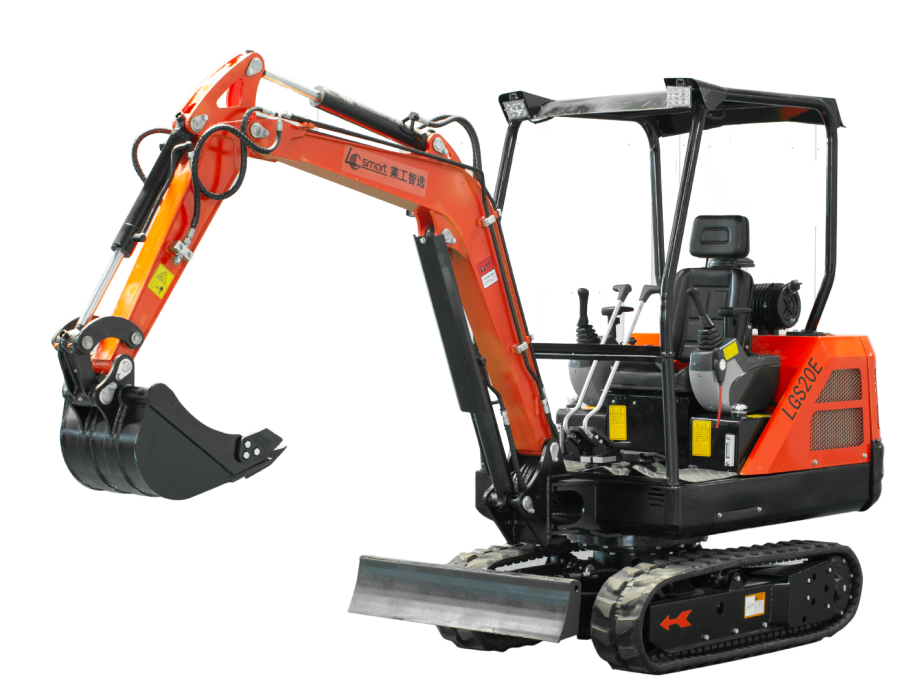
Revolutionizing Wheel Loader Operations: The Integration of Smart Technology
Release time:
2026-04-28
Incorporating Smart Technology into Your Wheel Loader Operations
Table of Contents
1. Understanding Smart Technology in Wheel Loaders
2. The Importance of Smart Technology in Modern Construction
3. Key Features of Smart Wheel Loaders
3.1. Advanced Telemetry Systems
3.2. Automated Load Management
3.3. Operator Assistance Systems
4. Benefits of Integrating Smart Technology
4.1. Improved Operational
Incorporating Smart Technology into Your Wheel Loader Operations
Table of Contents
1. Understanding Smart Technology in Wheel Loaders
2. The Importance of Smart Technology in Modern Construction
3. Key Features of Smart Wheel Loaders
3.1. Advanced Telemetry Systems
3.2. Automated Load Management
3.3. Operator Assistance Systems
4. Benefits of Integrating Smart Technology
4.1. Improved Operational Efficiency
4.2. Cost Reduction and Resource Optimization
4.3. Enhanced Safety Measures
5. Real-World Applications of Smart Wheel Loaders
6. Challenges in Implementing Smart Technology
7. The Future of Wheel Loaders and Smart Technology
8. Frequently Asked Questions (FAQs)
9. Conclusion
1. Understanding Smart Technology in Wheel Loaders
Smart technology refers to advanced systems and applications designed to enhance the functionality and performance of machinery. In the context of wheel loaders, this technology encompasses a range of features, from data analytics to automation, significantly improving operational efficiency. By integrating smart technology, companies can monitor performance, predict maintenance needs, and optimize load operations, leading to a more streamlined workflow.
2. The Importance of Smart Technology in Modern Construction
In the ever-evolving construction landscape, the demand for efficiency, safety, and sustainability is higher than ever. Smart technology plays a critical role in meeting these demands. As construction projects grow in complexity and scale, traditional methods often fall short in terms of productivity and cost-effectiveness. Smart wheel loaders equipped with cutting-edge technology provide a solution that meets the industry's changing needs.
3. Key Features of Smart Wheel Loaders
3.1. Advanced Telemetry Systems
Telemetry systems enable real-time data collection and analysis from wheel loaders. These systems monitor various aspects of loader performance, including fuel consumption, load weight, and engine diagnostics. By analyzing this data, operators can make informed decisions that enhance productivity while reducing costs.
3.2. Automated Load Management
Automated load management systems optimize loading processes by calculating the ideal load for every operation. These systems take into account various factors such as machine capacity, terrain, and material type, ensuring that operators achieve maximum efficiency without overloading the machine or risking damage.
3.3. Operator Assistance Systems
Operator assistance systems provide real-time feedback and guidance to operators, enhancing their efficiency and safety. Features such as automatic steering correction, load monitoring, and obstacle detection help operators perform tasks more effectively, leading to fewer errors and accidents on job sites.
4. Benefits of Integrating Smart Technology
4.1. Improved Operational Efficiency
Integrating smart technology into wheel loader operations significantly boosts efficiency. With real-time data and automated systems, operators can make quicker decisions, reduce idle time, and enhance the overall productivity of their machines. This leads to faster project completion and increased profitability.
4.2. Cost Reduction and Resource Optimization
Smart technology helps in monitoring fuel consumption and machine wear and tear effectively. By identifying inefficiencies and areas requiring maintenance, companies can reduce operational costs and extend the lifespan of their equipment. This resource optimization translates to significant savings over time.
4.3. Enhanced Safety Measures
Safety is paramount in any construction environment. Smart wheel loaders are equipped with advanced safety features, including obstacle detection, automatic braking systems, and real-time monitoring of operator performance. These features help in mitigating risks and protecting workers on site.
5. Real-World Applications of Smart Wheel Loaders
Various industries, including construction, mining, and waste management, have begun adopting smart wheel loaders. For example, construction companies can use smart technology to analyze job site data and adjust operations accordingly. In mining, these machines can optimize material handling and transportation, while waste management firms can streamline their processes and improve recycling efforts.
6. Challenges in Implementing Smart Technology
Despite the numerous benefits, integrating smart technology into wheel loader operations is not without challenges. High initial costs, the need for operator training, and potential resistance to change can hinder implementation. Companies must address these challenges strategically to realize the full potential of smart technology.
7. The Future of Wheel Loaders and Smart Technology
The future of wheel loaders lies in increased automation and connectivity. As technology continues to advance, we anticipate even more sophisticated features, such as machine learning algorithms that predict maintenance needs and autonomous operation capabilities. These developments will further enhance efficiency and safety in wheel loader operations.
8. Frequently Asked Questions (FAQs)
Q1: What is smart technology in wheel loaders?
A1: Smart technology in wheel loaders refers to advanced systems that enhance operational efficiency through real-time data monitoring, automation, and operator assistance.
Q2: How does smart technology improve safety in wheel loader operations?
A2: Smart technology improves safety through features like obstacle detection, automatic braking, and real-time monitoring of operator performance, reducing the risk of accidents.
Q3: What are the cost benefits of integrating smart technology into wheel loaders?
A3: Integrating smart technology helps reduce operational costs by optimizing fuel consumption, extending equipment lifespan, and minimizing maintenance needs.
Q4: Are there challenges to implementing smart technology in construction?
A4: Yes, challenges include high initial costs, the necessity for operator training, and potential resistance to adopting new technologies.
Q5: What does the future hold for wheel loaders with smart technology?
A5: The future will likely see advancements in automation, machine learning, and enhanced connectivity, further optimizing wheel loader operations and safety.
9. Conclusion
Incorporating smart technology into wheel loader operations is not just a trend; it's a necessity for modern construction and manufacturing. By leveraging advanced features such as telemetry systems, automated load management, and operator assistance, companies can significantly enhance their operational efficiency, reduce costs, and improve safety. As we move into a future where automation and connectivity become increasingly vital, embracing smart technology in wheel loaders will pave the way for innovation and prosperity in the industry.
Previous page
Latest News