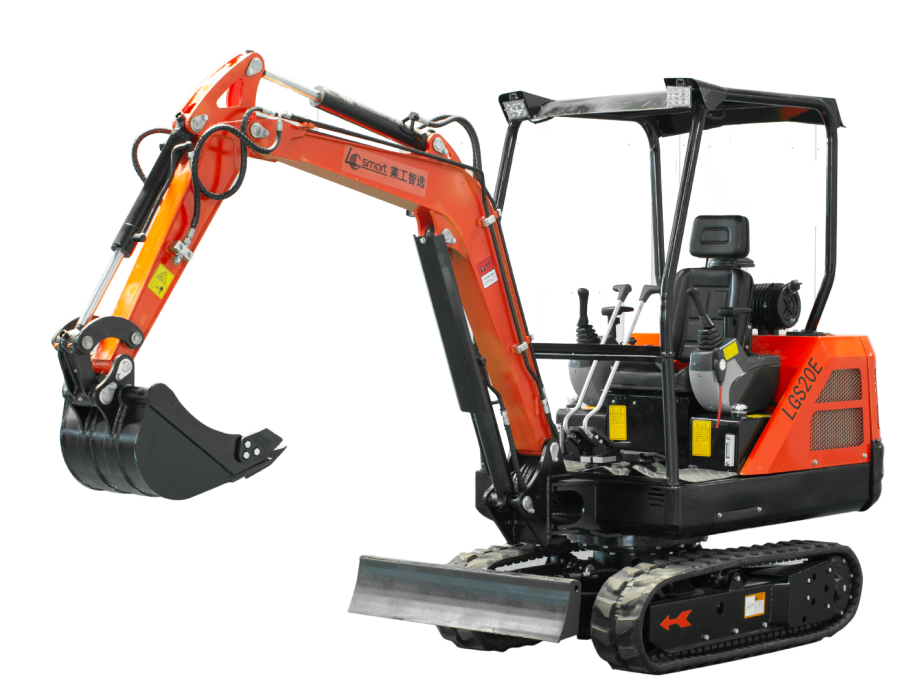
Off Road Forklifts: Essential Equipment for Remote Locations
Release time:
2026-07-21
Off Road Forklifts: Essential Equipment for Remote Locations
Table of Contents
Introduction to Off-Road Forklifts
What Are Off-Road Forklifts?
Key Features of Off-Road Forklifts
Applications in Remote Locations
Benefits of Using Off-Road Forklifts
Choosing the Right Off-Road Forklift
Maintenance Tips for Off-Road Forklifts
Frequently Asked Questions
Conclusion
Off Road Forklifts: Essential Equipment for Remote Locations
Table of Contents
- Introduction to Off-Road Forklifts
- What Are Off-Road Forklifts?
- Key Features of Off-Road Forklifts
- Applications in Remote Locations
- Benefits of Using Off-Road Forklifts
- Choosing the Right Off-Road Forklift
- Maintenance Tips for Off-Road Forklifts
- Frequently Asked Questions
- Conclusion
Introduction to Off-Road Forklifts
In the realm of material handling and logistics, **off-road forklifts** emerge as vital machinery, particularly suited for **remote and rugged locations**. These robust machines are designed to navigate uneven terrains and handle heavy loads, making them indispensable in various sectors including construction, mining, and agriculture. Understanding the unique attributes and advantages of off-road forklifts can significantly enhance operational efficiency in challenging environments.
What Are Off-Road Forklifts?
Off-road forklifts are specialized material handling vehicles engineered to operate effectively on rough, uneven, or soft ground surfaces. Unlike traditional forklifts designed for paved surfaces, off-road variants are equipped with features such as larger tires, enhanced ground clearance, and reinforced frames, allowing them to tackle the unique challenges posed by remote locations.
Types of Off-Road Forklifts
1. **Rough Terrain Forklifts**: These machines are primarily used in construction sites and outdoor environments. They feature large, knobby tires that provide traction and stability on loose surfaces.
2. **Telehandlers**: A hybrid between a forklift and a crane, telehandlers offer extended reach and versatility, making them ideal for moving materials to elevated locations in remote sites.
Key Features of Off-Road Forklifts
To understand why off-road forklifts are essential, let’s delve into their key features that set them apart from their conventional counterparts:
1. Enhanced Traction and Stability
Off-road forklifts are equipped with **aggressive tread patterns** that improve traction on challenging surfaces. Coupled with a low center of gravity, these machines maintain stability even when traversing steep inclines or uneven ground.
2. High Ground Clearance
With increased ground clearance, these forklifts can easily navigate obstacles such as rocks, debris, or uneven terrain without risking damage to the vehicle or the load being carried.
3. Robust Construction
Built with durable materials and reinforced frames, off-road forklifts withstand harsh environmental conditions, including mud, gravel, and extreme temperatures.
4. Versatile Attachments
Many off-road forklifts can be fitted with various attachments such as forks, buckets, or clamps, expanding their utility beyond traditional lifting tasks.
Applications in Remote Locations
Off-road forklifts are utilized in several industries where traditional forklifts would struggle. Here are some common applications:
1. Construction Sites
In construction, off-road forklifts move heavy materials like concrete blocks, steel beams, and equipment across uneven terrain, ensuring that projects remain on schedule.
2. Agriculture
Farmers use off-road forklifts to transport goods around the farm, including moving bales of hay, crates of produce, and equipment, especially in muddy or uneven fields.
3. Mining Operations
In mining, these forklifts are crucial for transporting heavy machinery and materials in areas that are often rugged and difficult to navigate.
4. Oil and Gas Industries
In remote oil fields and drilling sites, off-road forklifts support logistics by delivering equipment and supplies where other vehicles may fail.
Benefits of Using Off-Road Forklifts
Utilizing off-road forklifts presents numerous benefits that enhance operational efficiency and safety:
1. Increased Productivity
Their ability to maneuver quickly on challenging terrain allows teams to complete tasks faster, directly impacting productivity and project timelines.
2. Enhanced Safety Measures
Off-road forklifts are designed with safety in mind, featuring robust frames and enhanced visibility, reducing the risk of accidents on difficult terrains.
3. Cost-Effectiveness
By investing in off-road forklifts, companies reduce the need for multiple types of equipment, streamlining operations and lowering costs associated with machinery maintenance and transportation.
4. Flexibility and Versatility
With the ability to handle various loads and perform multiple tasks, off-road forklifts serve diverse operational needs, adapting to different environments and requirements.
Choosing the Right Off-Road Forklift
Selecting the appropriate off-road forklift involves several considerations to ensure it meets specific operational needs:
1. Assess Terrain Conditions
Evaluating the typical terrain where the forklift will operate is crucial. This assessment will help determine the necessary traction, ground clearance, and tire type.
2. Understand Load Capacity
Different models come with varying load capacities. It's essential to choose a forklift that can safely handle the maximum weight of the materials being transported.
3. Consider Manufacturer Reputation
Researching reliable manufacturers ensures you invest in a forklift with quality construction and a proven track record in performance.
4. Evaluate Maintenance Needs
Understanding the maintenance requirements and availability of replacement parts is important for keeping the forklift operational and minimizing downtime.
Maintenance Tips for Off-Road Forklifts
Proper maintenance is essential to extend the lifespan of off-road forklifts and ensure safe operations:
1. Regular Inspections
Conduct routine inspections to identify wear and tear, check fluid levels, and ensure all parts are functioning properly.
2. Tire Maintenance
Maintaining tire pressure and checking for damage is critical, as tires are the primary contact with the ground and directly impact stability and traction.
3. Cleanliness
Keeping the forklift clean, especially the undercarriage, prevents debris buildup that could affect performance and safety.
4. Follow Manufacturer Guidelines
Adhering to the manufacturer's maintenance schedule and recommendations ensures that all aspects of the forklift are routinely serviced.
Frequently Asked Questions
1. What is the typical weight capacity of an off-road forklift?
The weight capacity of off-road forklifts varies, typically ranging from 4,000 to 10,000 pounds, depending on the model and manufacturer.
2. Can off-road forklifts operate on paved surfaces?
While off-road forklifts can operate on paved surfaces, they are optimized for rough terrains, and their performance may not match that of traditional forklifts on smooth surfaces.
3. How do I know if an off-road forklift is right for my business?
Consider your operational environment, load types, and specific tasks. If you frequently work in rugged conditions or need to move heavy materials, an off-road forklift may be ideal.
4. What maintenance is required for off-road forklifts?
Regular maintenance includes inspections, tire checks, fluid level monitoring, and following the manufacturer's guidelines for servicing.
5. Are there financing options available for purchasing off-road forklifts?
Many manufacturers and dealerships offer financing options, including leases and payment plans, to help businesses acquire off-road forklifts without significant upfront costs.
Conclusion
In summary, off-road forklifts serve as essential equipment for businesses operating in remote locations and challenging terrains. Their unique features, versatile applications, and significant benefits make them indispensable for enhancing productivity and safety in various industries. By carefully selecting and maintaining these machines, organizations can ensure efficient material handling, ultimately supporting their operational goals and contributing to overall success. Investing in off-road forklifts is not just an operational decision; it's a strategic move toward improved logistics in demanding environments.
Latest News