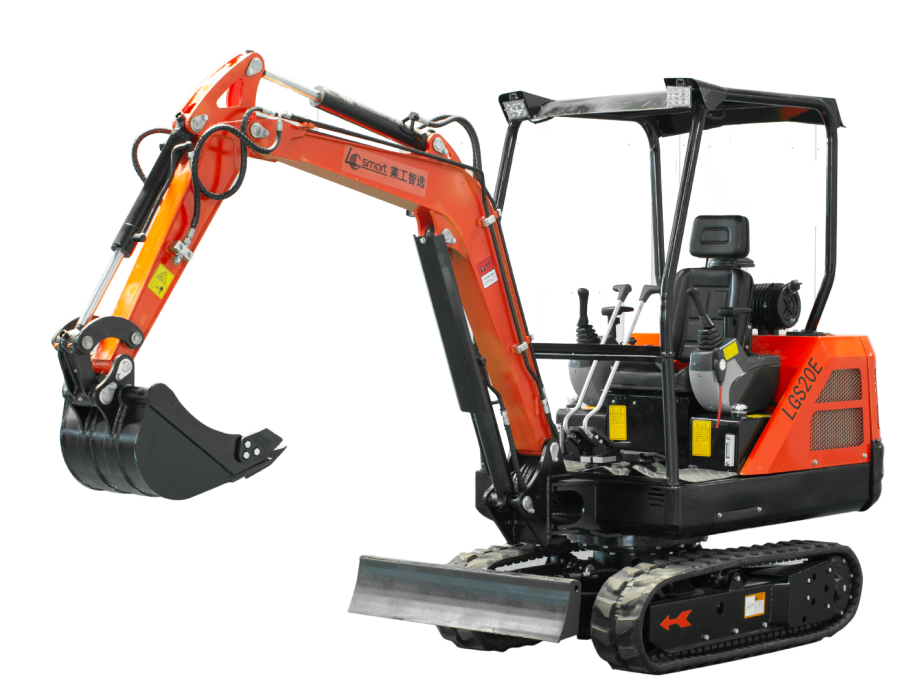
The Versatile Power of Telescopic Wheel Loaders in Modern Construction
Release time:
2026-07-23
Telescopic wheel loaders have become increasingly significant in the construction and manufacturing sectors due to their versatility and efficiency. These machines are designed to perform a multitude of tasks, making them essential tools on job sites ranging from agriculture to heavy construction. They combine the functionalities of a traditional wheel loader with the added benefit of a telescopic
Telescopic wheel loaders have become increasingly significant in the construction and manufacturing sectors due to their versatility and efficiency. These machines are designed to perform a multitude of tasks, making them essential tools on job sites ranging from agriculture to heavy construction. They combine the functionalities of a traditional wheel loader with the added benefit of a telescopic boom, allowing for greater reach and lifting capacity.
One of the primary advantages of telescopic wheel loaders is their ability to extend their boom, which enables operators to reach high or distant loads without needing additional equipment. This feature is particularly beneficial when working in tight spaces or when lifting materials to elevated platforms. With the telescopic arm, operators can easily handle tasks such as loading trucks, stacking materials, or accessing hard-to-reach areas, thus improving overall job efficiency.
Moreover, these machines are equipped with different attachments that can be quickly swapped out depending on the task at hand. Common attachments include forks, buckets, and grapples, allowing for a range of applications—from lifting and transporting pallets to digging and grading surfaces. This adaptability is a significant selling point for businesses looking to optimize their fleet without the cost of investing in multiple specialized machines.
In terms of maneuverability, telescopic wheel loaders are designed for a variety of terrains. Their compact size and robust design allow them to navigate through rough construction sites with ease, ensuring they can perform in different environmental conditions. This capability is crucial in construction, where ground conditions can change rapidly, and equipment must be reliable and efficient.
Safety is also a critical aspect of operating telescopic wheel loaders. Modern machines are built with advanced safety features, including stability systems that prevent tipping when lifting heavy loads. Operators can benefit from enhanced visibility from the cab, which often includes features like cameras and sensors that aid in monitoring the surrounding environment. Proper training and adherence to safety protocols are essential to maximizing the benefits of these machines while minimizing risks.
Furthermore, as the construction industry increasingly focuses on sustainability, many manufacturers are incorporating eco-friendly technologies into their telescopic wheel loaders. Features such as fuel-efficient engines and electric or hybrid models are becoming more prevalent, allowing operators to reduce their carbon footprint while maintaining high productivity levels.
In conclusion, telescopic wheel loaders are indispensable assets in the manufacturing and construction sectors. Their versatility, efficiency, and safety features make them ideal for a wide array of tasks, allowing businesses to maximize productivity while minimizing operational costs. As the industry continues to evolve, these machines will likely remain at the forefront of innovation, adapting to meet the changing demands of modern construction projects.
One of the primary advantages of telescopic wheel loaders is their ability to extend their boom, which enables operators to reach high or distant loads without needing additional equipment. This feature is particularly beneficial when working in tight spaces or when lifting materials to elevated platforms. With the telescopic arm, operators can easily handle tasks such as loading trucks, stacking materials, or accessing hard-to-reach areas, thus improving overall job efficiency.
Moreover, these machines are equipped with different attachments that can be quickly swapped out depending on the task at hand. Common attachments include forks, buckets, and grapples, allowing for a range of applications—from lifting and transporting pallets to digging and grading surfaces. This adaptability is a significant selling point for businesses looking to optimize their fleet without the cost of investing in multiple specialized machines.
In terms of maneuverability, telescopic wheel loaders are designed for a variety of terrains. Their compact size and robust design allow them to navigate through rough construction sites with ease, ensuring they can perform in different environmental conditions. This capability is crucial in construction, where ground conditions can change rapidly, and equipment must be reliable and efficient.
Safety is also a critical aspect of operating telescopic wheel loaders. Modern machines are built with advanced safety features, including stability systems that prevent tipping when lifting heavy loads. Operators can benefit from enhanced visibility from the cab, which often includes features like cameras and sensors that aid in monitoring the surrounding environment. Proper training and adherence to safety protocols are essential to maximizing the benefits of these machines while minimizing risks.
Furthermore, as the construction industry increasingly focuses on sustainability, many manufacturers are incorporating eco-friendly technologies into their telescopic wheel loaders. Features such as fuel-efficient engines and electric or hybrid models are becoming more prevalent, allowing operators to reduce their carbon footprint while maintaining high productivity levels.
In conclusion, telescopic wheel loaders are indispensable assets in the manufacturing and construction sectors. Their versatility, efficiency, and safety features make them ideal for a wide array of tasks, allowing businesses to maximize productivity while minimizing operational costs. As the industry continues to evolve, these machines will likely remain at the forefront of innovation, adapting to meet the changing demands of modern construction projects.
Latest News