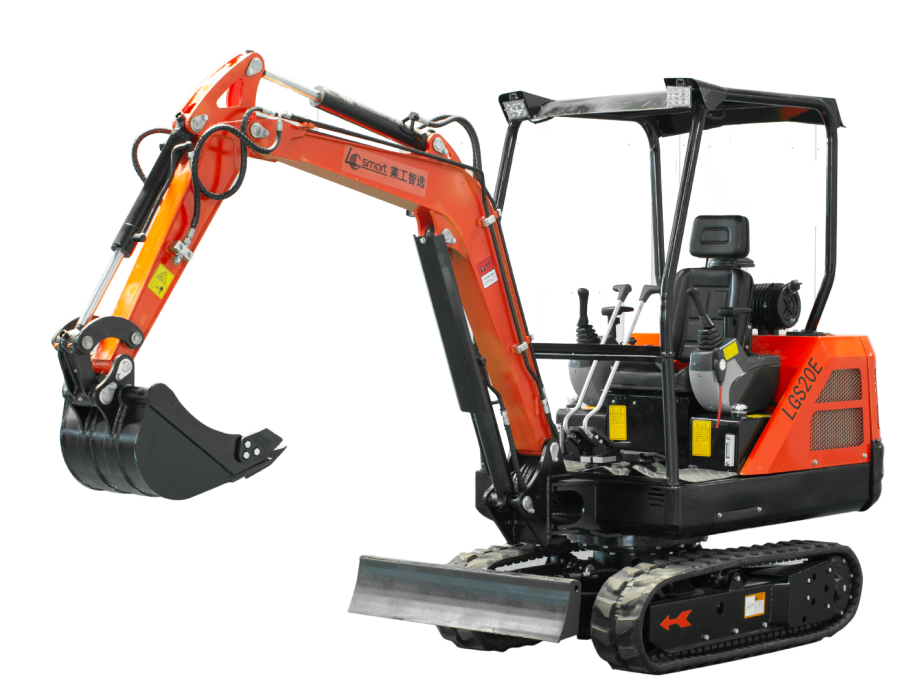
Understanding Forklifts: Essential Insights for the Transportation and Warehousing Industry
Release time:
2026-05-23
Forklifts are invaluable assets in the transportation and warehousing industry, facilitating the efficient movement of goods and materials. Understanding the different types of forklifts, their respective applications, and best practices for operation is crucial for professionals in this field.
There are several types of forklifts, each designed to meet specific operational needs. The most common
Forklifts are invaluable assets in the transportation and warehousing industry, facilitating the efficient movement of goods and materials. Understanding the different types of forklifts, their respective applications, and best practices for operation is crucial for professionals in this field.
There are several types of forklifts, each designed to meet specific operational needs. The most common types include counterbalance forklifts, reach trucks, and pallet jacks. Counterbalance forklifts are versatile and suitable for various environments, equipped with forks at the front to lift loads; they can maneuver in tight spaces, making them ideal for indoor use. Reach trucks, on the other hand, are designed for high stacking in narrow aisles, allowing warehouses to maximize vertical space. Pallet jacks are a simpler solution for moving pallets over short distances, perfect for operations requiring minimal lifting.
When operating a forklift, safety must be a top priority. Forklift operators should be properly trained and certified, adhering to local regulations and industry standards. Regular maintenance of forklifts is essential to ensure they function safely and efficiently. Daily inspections should be conducted to check for any signs of wear, leaks, or mechanical issues. Additionally, operators should be aware of their surroundings, maintaining clear visibility and being cautious of pedestrians and other vehicles in the workspace.
The impact of forklifts on productivity cannot be overstated. By optimizing material handling processes, forklifts significantly reduce the time required to move goods from one location to another. This efficiency translates into faster turnaround times and improved service levels, which are vital in today’s competitive logistics environment. Properly utilized forklifts can also minimize damage to goods, as they allow for careful handling and precise placement.
In summary, forklifts are a cornerstone of the transportation and warehousing industry. Their diverse types cater to various operational needs, and adherence to safety practices ensures a secure working environment. By understanding the role of forklifts and employing them effectively, professionals can enhance productivity and contribute to the overall success of their operations.
There are several types of forklifts, each designed to meet specific operational needs. The most common types include counterbalance forklifts, reach trucks, and pallet jacks. Counterbalance forklifts are versatile and suitable for various environments, equipped with forks at the front to lift loads; they can maneuver in tight spaces, making them ideal for indoor use. Reach trucks, on the other hand, are designed for high stacking in narrow aisles, allowing warehouses to maximize vertical space. Pallet jacks are a simpler solution for moving pallets over short distances, perfect for operations requiring minimal lifting.
When operating a forklift, safety must be a top priority. Forklift operators should be properly trained and certified, adhering to local regulations and industry standards. Regular maintenance of forklifts is essential to ensure they function safely and efficiently. Daily inspections should be conducted to check for any signs of wear, leaks, or mechanical issues. Additionally, operators should be aware of their surroundings, maintaining clear visibility and being cautious of pedestrians and other vehicles in the workspace.
The impact of forklifts on productivity cannot be overstated. By optimizing material handling processes, forklifts significantly reduce the time required to move goods from one location to another. This efficiency translates into faster turnaround times and improved service levels, which are vital in today’s competitive logistics environment. Properly utilized forklifts can also minimize damage to goods, as they allow for careful handling and precise placement.
In summary, forklifts are a cornerstone of the transportation and warehousing industry. Their diverse types cater to various operational needs, and adherence to safety practices ensures a secure working environment. By understanding the role of forklifts and employing them effectively, professionals can enhance productivity and contribute to the overall success of their operations.
Latest News