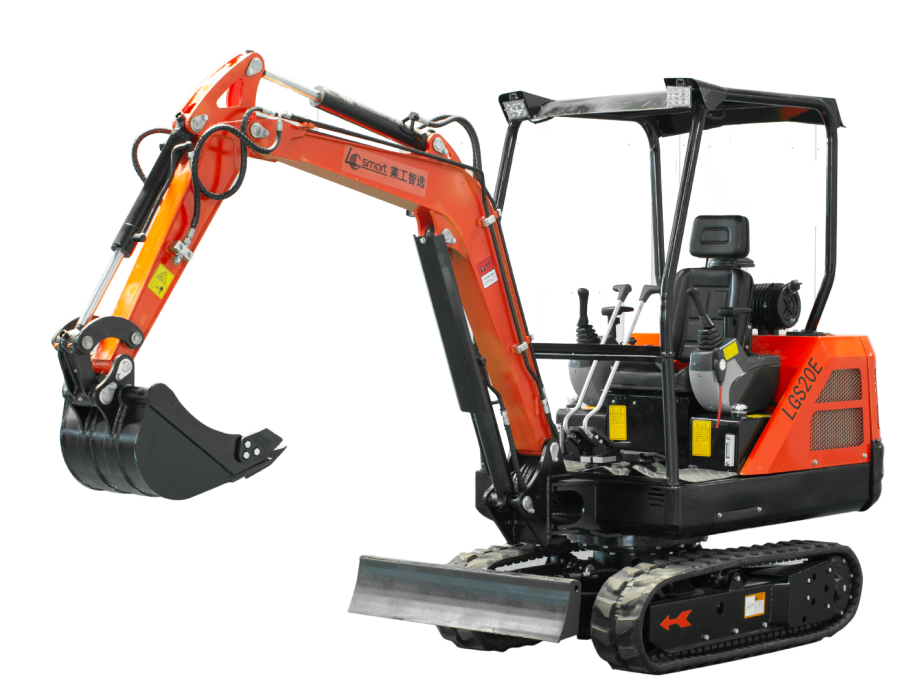
Understanding the Mechanics of Off-Road Forklifts: A Comprehensive Guide
Release time:
2026-05-24
Understanding the Mechanics of Off-Road Forklifts
Off-road forklifts represent a vital component of modern logistics and transportation, especially in industries that require handling materials in uneven terrains. Their unique design and robust construction make them indispensable in construction sites, warehouses with rugged surfaces, and agricultural sectors. This article delves into the mechani
Understanding the Mechanics of Off-Road Forklifts
Off-road forklifts represent a vital component of modern logistics and transportation, especially in industries that require handling materials in uneven terrains. Their unique design and robust construction make them indispensable in construction sites, warehouses with rugged surfaces, and agricultural sectors. This article delves into the mechanics of off-road forklifts, exploring their operational principles, key features, maintenance, and more.
Table of Contents
1. Introduction to Off-Road Forklifts
2. The Mechanics Behind Off-Road Forklifts
2.1. Engine and Powertrain
2.2. Hydraulics and Lift Mechanism
2.3. Drive System and Tires
3. Unique Features of Off-Road Forklifts
3.1. Stability Control Systems
3.2. Enhanced Traction Technologies
4. Applications of Off-Road Forklifts
5. Maintenance of Off-Road Forklifts
5.1. Routine Checks and Balancing
5.2. Troubleshooting Common Issues
6. Best Practices for Operating Off-Road Forklifts
7. Frequently Asked Questions (FAQs)
8. Conclusion
1. Introduction to Off-Road Forklifts
Off-road forklifts are specially engineered for challenging environments. Unlike standard forklifts, these machines are equipped to handle rough terrain, making them ideal for industries where ground conditions can be unpredictable. They are often used in construction, forestry, and agriculture, where traditional forklifts may struggle.
2. The Mechanics Behind Off-Road Forklifts
Understanding how off-road forklifts work requires a look into their fundamental mechanics, including the engine, powertrain, hydraulics, and specialized drive systems.
2.1. Engine and Powertrain
Off-road forklifts typically feature powerful internal combustion engines, often diesel-powered, to provide the necessary torque and horsepower for heavy lifting and maneuvering through rugged landscapes. These engines are designed to deliver reliable performance under various load conditions and environmental factors.
The powertrain is a critical component, connecting the engine to the wheels. In off-road forklifts, the powertrain is robust, incorporating heavy-duty transmissions that can handle the stress of uneven ground and steep inclines.
2.2. Hydraulics and Lift Mechanism
The hydraulic system in off-road forklifts is what enables them to perform heavy lifting tasks. This system consists of hydraulic pumps, cylinders, and hoses that work together to lift and lower loads smoothly. The efficiency of hydraulic systems allows for precise control over the lift height and load positioning, critical in tight or uneven spaces.
2.3. Drive System and Tires
Off-road forklifts utilize 4WD (four-wheel drive) systems, which distribute power evenly to all four wheels. This feature is essential for maintaining traction on slippery or uneven surfaces. The tires are specially designed with deep treads and reinforced sidewalls to provide better grip and stability, reducing the risk of tipping over during operations.
3. Unique Features of Off-Road Forklifts
Off-road forklifts come equipped with several unique features that enhance their functionality and safety in challenging environments.
3.1. Stability Control Systems
Many modern off-road forklifts have integrated stability control systems that monitor the vehicle's position and load center of gravity. These systems automatically adjust settings to prevent tipping, ensuring safe operation even on sloped or unstable ground.
3.2. Enhanced Traction Technologies
Advanced traction technologies, such as limited-slip differentials, provide superior grip on challenging terrains. These systems optimize power distribution to the wheels with the most traction, enabling the forklift to navigate obstacles effectively.
4. Applications of Off-Road Forklifts
Off-road forklifts are versatile machines used in various industries. They are particularly beneficial in:
- **Construction Sites**: For moving heavy materials across uneven surfaces.
- **Agricultural Fields**: To transport goods in rural settings where traditional vehicles cannot operate effectively.
- **Forestry Operations**: For handling timber and heavy equipment in woods.
5. Maintenance of Off-Road Forklifts
Proper maintenance is crucial to ensure the longevity and reliability of off-road forklifts. Regular inspections and servicing can prevent costly breakdowns and enhance operational efficiency.
5.1. Routine Checks and Balancing
Routine maintenance checks should include fluid levels, tire pressure, and hydraulic systems. Balancing the forklift is essential to ensure even distribution of weight, particularly when handling heavy loads.
5.2. Troubleshooting Common Issues
Common issues might include hydraulic leaks, engine performance problems, or tire wear. Identifying and addressing these issues promptly can prevent more serious complications down the line.
6. Best Practices for Operating Off-Road Forklifts
To maximize safety and efficiency when operating off-road forklifts, follow these best practices:
1. **Conduct Pre-Operation Inspections**: Always check the forklift for any visible damage or mechanical issues before use.
2. **Understand Load Limits**: Know the weight capacity of the forklift and do not exceed it.
3. **Use Proper Lifting Techniques**: Ensure that loads are balanced and secure before lifting.
4. **Drive Carefully on Uneven Surfaces**: Slow down when navigating rough terrains to maintain control.
5. **Prioritize Safety Gear**: Operators should wear appropriate safety gear, including helmets and reflective vests.
7. Frequently Asked Questions (FAQs)
What is the main advantage of an off-road forklift?
The primary advantage of off-road forklifts is their ability to navigate rough terrains where traditional forklifts would struggle, making them ideal for outdoor and construction environments.
How does the stability control system work?
The stability control system uses sensors to monitor the forklift’s position and load balance, automatically adjusting settings to prevent tipping.
What type of maintenance do off-road forklifts require?
Off-road forklifts require regular inspections of hydraulic systems, tires, and engine performance, along with routine servicing to ensure optimal performance.
Can off-road forklifts be used on paved surfaces?
While off-road forklifts can operate on paved surfaces, they are primarily designed for rugged terrains and may have reduced efficiency on smooth ground.
What should I do if my off-road forklift has a hydraulic leak?
If you suspect a hydraulic leak, stop operation immediately and have a qualified technician inspect and repair the hydraulic system before resuming use.
8. Conclusion
Understanding the mechanics of off-road forklifts is essential for anyone involved in industries that require robust material handling solutions. From their powerful engines and hydraulic systems to their specialized features for navigating challenging terrains, off-road forklifts are a testament to engineering excellence. By adhering to best practices in operation and maintenance, users can ensure these machines operate efficiently and safely, contributing to increased productivity in their respective fields.
Previous page
Latest News