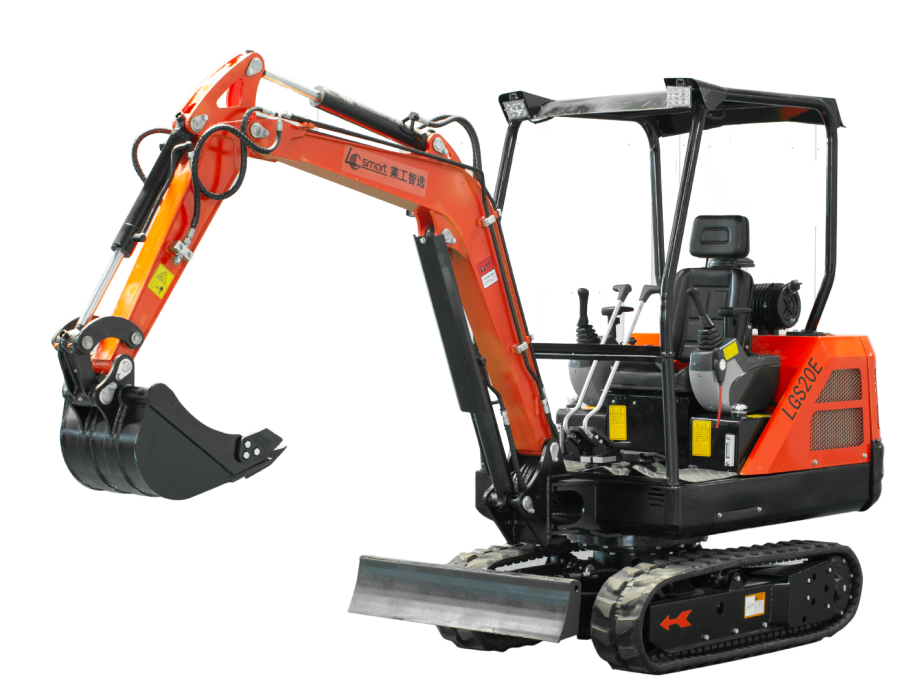
Maximize Productivity with Off Road Forklift Fleet Management
Release time:
2026-06-27
Maximize Productivity with Off Road Forklift Fleet Management
In today's fast-paced logistics environment, managing an off-road forklift fleet efficiently is crucial for maximizing productivity. Off-road forklifts are essential tools for businesses operating in rugged terrains, construction sites, and agricultural settings. However, without effective fleet management, these powerful machines can become liabilities, resulting in increased costs and decreased efficiency. This article delves into proven strategies for optimizing off-road forklift fleet management, enabling organizations to enhance productivity and reduce operational expenses.
Table of Contents
- Understanding Off-Road Forklifts
- The Importance of Fleet Management
- Challenges in Off-Road Fleet Management
- Strategies for Maximizing Productivity
- Leveraging Technology in Fleet Management
- Effective Maintenance Practices
- Investing in Training and Safety
- Beyond the Basics: Advanced Fleet Management Techniques
- Case Studies: Success Stories in Off-Road Fleet Management
- The Future of Off-Road Forklift Fleet Management
- Conclusion
- FAQs
Understanding Off-Road Forklifts
Off-road forklifts are specifically designed to operate on uneven and challenging terrains. Unlike standard forklifts, these machines can navigate through dirt, gravel, and other rough conditions. They are equipped with larger tires, enhanced stability features, and powerful engines to ensure that they can handle heavy loads in unpredictable environments. Understanding the unique capabilities of off-road forklifts is essential for effective fleet management, as this knowledge informs appropriate operational strategies.
The Importance of Fleet Management
Effective fleet management is vital for numerous reasons. First and foremost, it ensures that off-road forklifts are utilized efficiently, which translates into higher productivity levels. By monitoring the usage, maintenance, and performance of each machine, organizations can make informed decisions that enhance operational efficiency. Moreover, proactive fleet management reduces downtime and operational costs, ultimately contributing to improved profit margins.
Challenges in Off-Road Fleet Management
Managing an off-road forklift fleet presents several challenges that can hinder productivity. Some of the most common issues include:
- Terrain Limitations: Navigating uneven surfaces can lead to operational difficulties and increased wear and tear on equipment.
- Fuel Consumption: Off-road forklifts often consume more fuel than their on-road counterparts, leading to elevated operational costs.
- Maintenance Requirements: The rugged nature of off-road operations results in frequent maintenance needs, impacting availability.
- Operator Training: Ensuring that operators are adequately trained to handle off-road conditions safely is paramount.
Strategies for Maximizing Productivity
Leveraging Technology in Fleet Management
Technology plays a pivotal role in modern fleet management. Implementing fleet management software can streamline operations by providing real-time data on vehicle performance, maintenance schedules, and operator behavior. Key technological innovations include:
- Telematics: This technology allows for remote monitoring of forklift performance, fuel consumption, and maintenance needs, enabling timely interventions.
- Mobile Apps: Fleet managers can leverage mobile applications to track fleet metrics, review operator performance, and communicate efficiently with team members.
- GPS Tracking: Accurately tracking the location of each forklift helps in optimizing routes and reducing idle time.
Effective Maintenance Practices
Regular maintenance is critical for ensuring the longevity and efficiency of off-road forklifts. Organizations should establish a comprehensive maintenance schedule that includes:
- Routine Inspections: Conducting daily pre-operation checks can identify potential issues before they escalate.
- Scheduled Servicing: Adhering to manufacturer-recommended service intervals helps maintain optimal performance.
- Parts Replacement: Timely replacement of worn parts can prevent significant breakdowns and prolong equipment life.
Investing in Training and Safety
Well-trained operators are crucial for maximizing the productivity of an off-road forklift fleet. Organizations should invest in comprehensive training programs that cover not only the operation of forklifts but also:
- Safety Regulations: Understanding safety protocols minimizes the risk of accidents.
- Terrain Navigation: Training on how to navigate challenging terrains ensures that operators can handle various working conditions effectively.
- Efficient Loading Techniques: Teaching proper loading and unloading methods can prevent damage to both the forklift and the transported goods.
Beyond the Basics: Advanced Fleet Management Techniques
To further enhance productivity, organizations should consider implementing advanced fleet management techniques. These may include:
- Predictive Maintenance: Utilizing data analytics to predict when maintenance is required can prevent unexpected downtime.
- Fleet Optimization: Analyzing performance data to optimize fleet size and configuration based on operational needs.
- Utilizing Drones: Employing drones for site surveys can help in planning and executing logistics more effectively.
Case Studies: Success Stories in Off-Road Fleet Management
Examining real-world examples can provide valuable insights into effective fleet management practices. Consider the following case studies:
- Construction Company A: By implementing telematics and routine maintenance checks, this company reduced its forklift downtime by 30%, leading to a significant increase in project completion rates.
- Agricultural Operation B: Through comprehensive operator training and safety programs, this operation saw a 40% reduction in accidents, boosting overall productivity.
The Future of Off-Road Forklift Fleet Management
The future of off-road forklift fleet management is poised for transformation through continued technological advancements. Innovations such as electric and hybrid forklifts, automation, and advanced data analytics will shape the next generation of material handling. Organizations must stay abreast of these developments to maintain a competitive edge and maximize productivity.
Conclusion
Maximizing productivity with off-road forklift fleet management is a multifaceted endeavor that requires strategic planning, investment in technology, and a focus on operator training and safety. By understanding the unique challenges associated with off-road operations and implementing effective management strategies, organizations can significantly enhance their operational efficiency. As the industry evolves, staying informed about emerging trends and technologies will be crucial for ongoing success.
FAQs
1. What are off-road forklifts used for?
Off-road forklifts are primarily used in environments with challenging terrains, such as construction sites, farms, and outdoor warehouses, where traditional forklifts may struggle to operate.
2. How can technology improve fleet management?
Technology can enhance fleet management by providing real-time data, enabling remote monitoring, optimizing routes, and streamlining maintenance schedules through telematics and fleet management software.
3. What are the benefits of regular maintenance for off-road forklifts?
Regular maintenance helps ensure optimal performance, reduces the likelihood of breakdowns, extends the lifespan of the equipment, and lowers overall operational costs.
4. Why is operator training important?
Well-trained operators are essential for safe and efficient operations. Training ensures that operators understand safety protocols and can navigate rugged terrains effectively, reducing the risk of accidents.
5. What advanced techniques can be used in fleet management?
Advanced fleet management techniques include predictive maintenance, fleet optimization based on data analytics, and utilizing drones for improved logistics planning.
Latest News