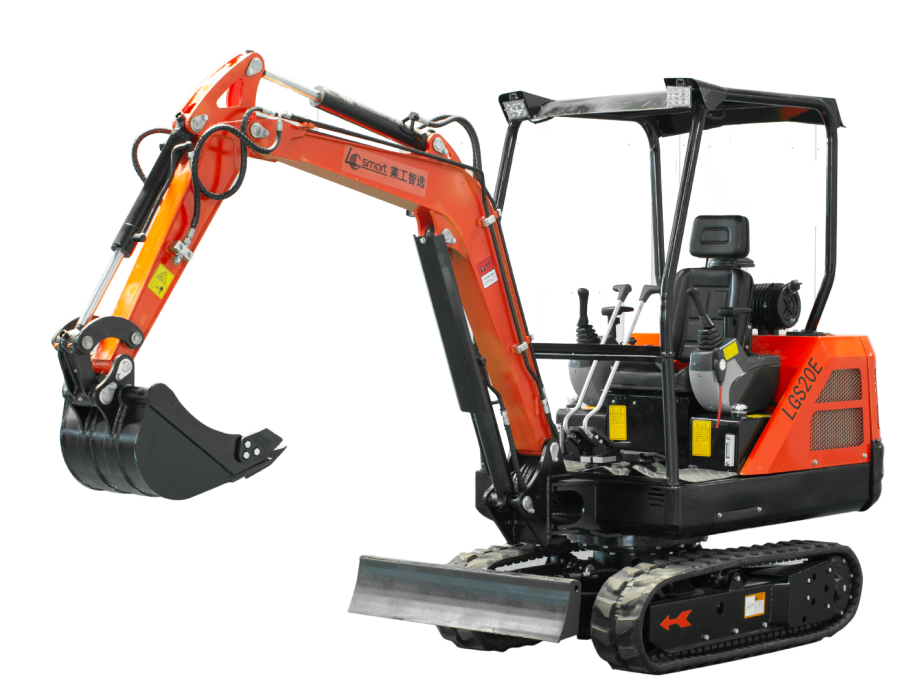
The Ultimate Guide to Skid Steer Loader Maintenance for Longevity
Release time:
2026-07-01
The Ultimate Guide to Skid Steer Loader Maintenance for Longevity
Table of Contents
1. Introduction to Skid Steer Loaders and Their Importance
2. Understanding Skid Steer Loader Components
3. Regular Maintenance Practices for Skid Steer Loaders
- 3.1 Daily Checks
- 3.2 Weekly Maintenance
- 3.3 Monthly Inspection
4. Seasonal Maintenance Tips for Skid Steer Loaders
5. Comm
The Ultimate Guide to Skid Steer Loader Maintenance for Longevity
Table of Contents
1. Introduction to Skid Steer Loaders and Their Importance
2. Understanding Skid Steer Loader Components
3. Regular Maintenance Practices for Skid Steer Loaders
- 3.1 Daily Checks
- 3.2 Weekly Maintenance
- 3.3 Monthly Inspection
4. Seasonal Maintenance Tips for Skid Steer Loaders
5. Common Issues and Troubleshooting Techniques
6. Best Practices for Preventative Maintenance
7. When to Seek Professional Servicing
8. Conclusion
9. FAQs
Introduction to Skid Steer Loaders and Their Importance
Skid steer loaders are indispensable in various industries, including construction, landscaping, and agriculture. Their compact design and impressive versatility make them ideal for tight spaces and challenging terrains. Proper maintenance is crucial to ensure these machines operate efficiently and remain reliable throughout their lifespan. This guide aims to provide comprehensive insights into maintaining your skid steer loader effectively, ensuring longevity and optimal performance.
Understanding Skid Steer Loader Components
To maintain your skid steer loader effectively, it's essential to understand its core components. These include:
- **Engine**: The heart of the machine, responsible for powering all functions.
- **Hydraulic System**: Facilitates the lifting and digging actions, crucial for performance.
- **Undercarriage**: Comprises wheels or tracks that provide traction and stability.
- **Cooling System**: Prevents the engine from overheating during operation.
- **Electrical System**: Powers various components, including lights and gauges.
Familiarizing yourself with these components will enable you to identify potential issues and perform necessary maintenance more efficiently.
Regular Maintenance Practices for Skid Steer Loaders
Regular maintenance is vital for ensuring the longevity of your skid steer loader. Below are detailed practices categorized by frequency.
Daily Checks
Conducting daily checks helps prevent minor issues from escalating into major problems. Key daily checks include:
- **Fluid Levels**: Check engine oil, hydraulic fluid, and coolant levels.
- **Tire/Track Condition**: Inspect for wear and proper inflation or tension.
- **Safety Features**: Ensure all safety devices are functional, including lights and alarms.
- **Debris Removal**: Clear any debris from the undercarriage and engine compartment to prevent overheating.
Weekly Maintenance
Every week, perform a more thorough inspection, which includes:
- **Greasing**: Lubricate all moving parts, including pivot points, to prevent wear.
- **Air Filter**: Inspect the air filter for dirt and replace if necessary.
- **Battery Terminals**: Check for corrosion and clean terminals as needed.
- **Hydraulic Lines**: Inspect for leaks or wear and ensure connections are secure.
Monthly Inspection
A monthly inspection involves deeper checks, such as:
- **Fluid Changes**: Change engine oil and hydraulic fluid as recommended by the manufacturer.
- **Belt and Hose Condition**: Inspect belts for cracks and hoses for leaks or bulges.
- **Electrical System**: Test the battery and inspect wiring for wear or loose connections.
- **Coolant System**: Flush and replace coolant as necessary to maintain optimal engine temperatures.
Seasonal Maintenance Tips for Skid Steer Loaders
Different seasons present unique challenges for skid steer loaders. Below are maintenance tips tailored for each season.
Spring Maintenance
- **Thorough Cleaning**: Remove any winter debris and perform a detailed inspection of all components.
- **Fluid Inspection**: Check fluid levels and replace any degraded fluids from winter use.
Summer Maintenance
- **Cooling System Checks**: Ensure the radiator is clean and free from obstructions to prevent overheating.
- **Greasing**: Increase lubrication frequency due to higher operational temperatures.
Fall Maintenance
- **Pre-Winter Preparation**: Inspect heating systems and ensure all safety features are functioning properly.
- **Undercarriage Maintenance**: Replace any worn tracks or tires before winter to improve traction on slippery surfaces.
Winter Maintenance
- **Battery Care**: Ensure the battery is fully charged and consider using a battery blanket in extremely cold conditions.
- **Fluid Checks**: Use fluids specifically formulated for colder temperatures to prevent thickening.
Common Issues and Troubleshooting Techniques
Even with proper maintenance, issues may arise. Recognizing common problems and knowing how to address them can save time and costs.
Engine Won't Start
- **Check Battery**: Ensure the battery is charged and connections are tight.
- **Fuel Supply**: Confirm there is enough fuel and that it is clean.
Poor Hydraulic Performance
- **Fluid Levels**: Inspect hydraulic fluid levels and top off if necessary.
- **Filters**: Replace hydraulic filters if they are clogged.
Overheating
- **Cooling System**: Check for blockages in the radiator and ensure coolant levels are adequate.
- **Fan Functionality**: Ensure the cooling fan operates correctly.
Best Practices for Preventative Maintenance
Implementing best practices can help prevent failures and prolong the life of your skid steer loader.
- **Keep Detailed Records**: Maintain a log of all maintenance performed, including dates and specifics.
- **Train Operators**: Ensure that all operators are well-trained in the use and maintenance of the skid steer loader.
- **Use Quality Parts**: Always opt for OEM (Original Equipment Manufacturer) parts for replacements to ensure compatibility and reliability.
- **Regularly Review the Manual**: Adhere to the manufacturer's recommended maintenance schedule and guidelines.
When to Seek Professional Servicing
While regular maintenance can be performed by operators, there are times when professional assistance is warranted. Seek help from a qualified technician if you notice:
- Persistent leaks
- Unusual noises indicating mechanical issues
- Warning lights on the dashboard that do not resolve with simple checks
- Major component failures that require specialized tools or knowledge
Conclusion
Effective maintenance of your skid steer loader is critical for ensuring longevity and optimal performance. By adhering to regular maintenance practices, understanding the importance of seasonal checks, and knowing how to troubleshoot common issues, you can keep your machine running smoothly for years to come. Remember, investing time in maintenance today can save you significant costs and headaches in the future.
FAQs
1. How often should I change the oil in my skid steer loader?
It is recommended to change the oil every 250 hours of operation or as specified by the manufacturer.
2. What type of hydraulic fluid should I use?
Always refer to the owner’s manual for the specific type of hydraulic fluid recommended for your model.
3. How can I tell if my skid steer loader needs more lubrication?
Look for signs of wear, squeaking noises, or difficulty in movement at pivot points, which may indicate a need for lubrication.
4. Is it safe to perform maintenance on my skid steer loader myself?
Yes, as long as you follow the manufacturer's guidelines and safety precautions. However, consult a professional for complex issues.
5. What should I do if I notice a hydraulic leak?
Immediately stop using the skid steer loader, identify the source of the leak, and consult a qualified technician for repairs.
This guide serves as a comprehensive resource for maintaining your skid steer loader, ensuring it operates efficiently and lasts for many productive years.
Previous page
Latest News