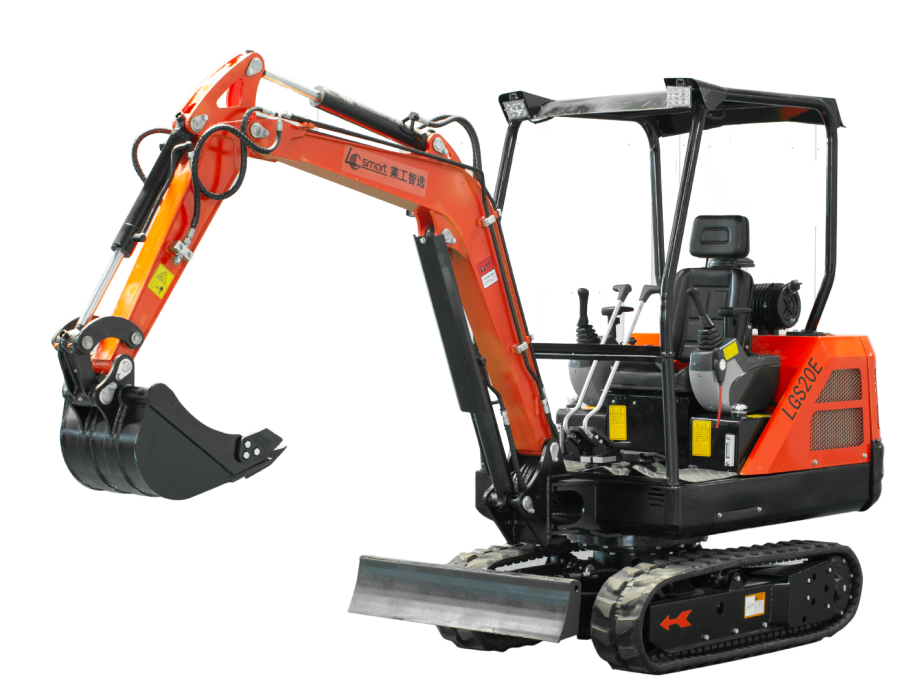
Safety First: Best Practices When Operating a Skid Steer Loader
Release time:
2026-07-13
Safety First: Best Practices When Operating a Skid Steer Loader
Table of Contents
Introduction to Skid Steer Loaders
The Importance of Safety in Skid Steer Operation
Pre-Operation Safety Checks
Operational Best Practices for Skid Steer Loaders
Proper Positioning and Control
Managing Loads and Attachments
Post-Operation Safety Proc
Safety First: Best Practices When Operating a Skid Steer Loader
Table of Contents
- Introduction to Skid Steer Loaders
- The Importance of Safety in Skid Steer Operation
- Pre-Operation Safety Checks
- Operational Best Practices for Skid Steer Loaders
- Post-Operation Safety Procedures
- Common Issues and Troubleshooting Tips
- Training and Certification for Skid Steer Operators
- Conclusion
- Frequently Asked Questions (FAQs)
Introduction to Skid Steer Loaders
Skid steer loaders are vital machines in the construction and landscaping industries, known for their versatility and maneuverability. These compact, powerful machines can perform various tasks, from lifting and digging to grading and material handling. However, with this capability comes the responsibility of ensuring safety during operation. Understanding best practices when operating a skid steer loader is crucial for preventing accidents and ensuring a productive work environment.
The Importance of Safety in Skid Steer Operation
Safety should always be the top priority when operating any heavy machinery, including skid steer loaders. Due to their compact size, skid steers can navigate tight spaces, but this maneuverability can also lead to hazardous situations if operators are not vigilant. Implementing effective safety practices minimizes the risk of accidents, protects the operator and nearby workers, and reduces potential damage to the equipment.
Pre-Operation Safety Checks
Before operating a skid steer loader, conducting thorough pre-operation checks is essential. These checks ensure that the machine is in safe working condition and ready for operation.
Inspect the Equipment
Begin by inspecting the skid steer's overall condition. Check for any visible damage, cracks, or wear on the chassis, loader arms, and bucket. Ensure that all safety guards and shields are in place.
Fluid Levels and Leaks
Check the fluid levels, including engine oil, hydraulic fluid, and coolant. Look for any signs of leaks that could indicate underlying issues that need addressing before operation.
Tires and Tracks
Inspect the tires or tracks for proper inflation and wear. A well-maintained tire or track is essential for optimal traction and stability during operation.
Safety Features
Verify that all safety features, such as seat belts, emergency stop buttons, and alarms, are functioning correctly. These features are critical for preventing accidents and ensuring the operator's safety.
Operational Best Practices for Skid Steer Loaders
Once the pre-operation checks are complete, it's time to focus on safe and efficient operation. Here are some best practices to follow while operating a skid steer loader.
Proper Positioning and Control
Understanding the skid steer's controls is vital for maintaining safe operation. Operators should familiarize themselves with all functions, including steering, throttle, and bucket controls.
Maintain a Safe Distance
Always maintain a safe distance from other workers and obstacles. Be aware of your surroundings and avoid operating the loader in crowded areas.
Use Clear Communication
If working in a team, establish clear communication signals with ground personnel. Using hand signals or two-way radios can help ensure everyone is aware of the loader's movements.
Managing Loads and Attachments
Proper load management is crucial for safe operation. Mismanaged loads can lead to tipping or instability.
Load Limits
Always adhere to the manufacturer's specifications regarding load limits. Overloading the skid steer can severely compromise stability and safety.
Attachment Awareness
Be mindful of the attachments being used. Different attachments may have unique operational requirements, which should be understood by the operator.
Post-Operation Safety Procedures
Once the work is completed, following proper post-operation procedures is essential for safety and equipment longevity.
Parking Procedures
When parking the skid steer, ensure it is on a stable surface. Lower the bucket to the ground and turn off the engine. Engage the parking brake to prevent any unintended movement.
Final Inspection
Conduct a final inspection of the skid steer after use. Look for any signs of damage or wear that may need attention before the next operation.
Common Issues and Troubleshooting Tips
While operating a skid steer loader, operators may encounter various issues. Here are some common problems and troubleshooting tips.
Engine Won’t Start
If the engine fails to start, check the battery connections and ensure that there is fuel in the tank. Inspect the fuses and relays for any faults.
Hydraulic System Failure
Hydraulic issues can prevent effective operation. Check for leaks in the hydraulic lines and ensure that the hydraulic fluid is at the correct level.
Unstable Operation
If the skid steer feels unstable during operation, check the load distribution and ensure that the machine is not overloaded. Additionally, inspect the tires or tracks for proper inflation.
Training and Certification for Skid Steer Operators
Proper training is essential for anyone operating a skid steer loader. Familiarize yourself with local regulations and requirements for certification.
Comprehensive Training Programs
Engaging in a comprehensive training program will enhance your operational skills and knowledge of safety protocols. Certified training courses often combine classroom instruction with hands-on experience.
Continuous Education
Stay updated with the latest safety guidelines and machine advancements through continuous education. Workshops and refresher courses can help reinforce best practices.
Conclusion
Operating a skid steer loader requires a commitment to safety and a thorough understanding of best practices. By following the outlined safety checks, operational guidelines, and training recommendations, operators can minimize risks and enhance their efficiency on the job. Remember, safety first is not just a slogan; it’s a critical approach that can save lives and ensure a productive work environment. Always prioritize safety to maintain a secure and effective operation.
Frequently Asked Questions (FAQs)
1. What are the primary safety features of a skid steer loader?
The primary safety features include seat belts, rollover protective structures (ROPS), and emergency stop buttons.
2. How often should I conduct pre-operation checks?
Pre-operation checks should be conducted before each use of the skid steer loader.
3. What is the standard weight limit for a skid steer loader?
Weight limits vary by model, but operators should always refer to the manufacturer's specifications for accurate limits.
4. Are there specific training certifications required for skid steer operators?
Yes, many regions require operators to have specific training and certification to operate heavy machinery like skid steer loaders.
5. What should I do if I encounter a mechanical failure during operation?
If you experience a mechanical failure, stop operating the machine immediately and follow troubleshooting protocols or contact a qualified technician for repairs.
Latest News