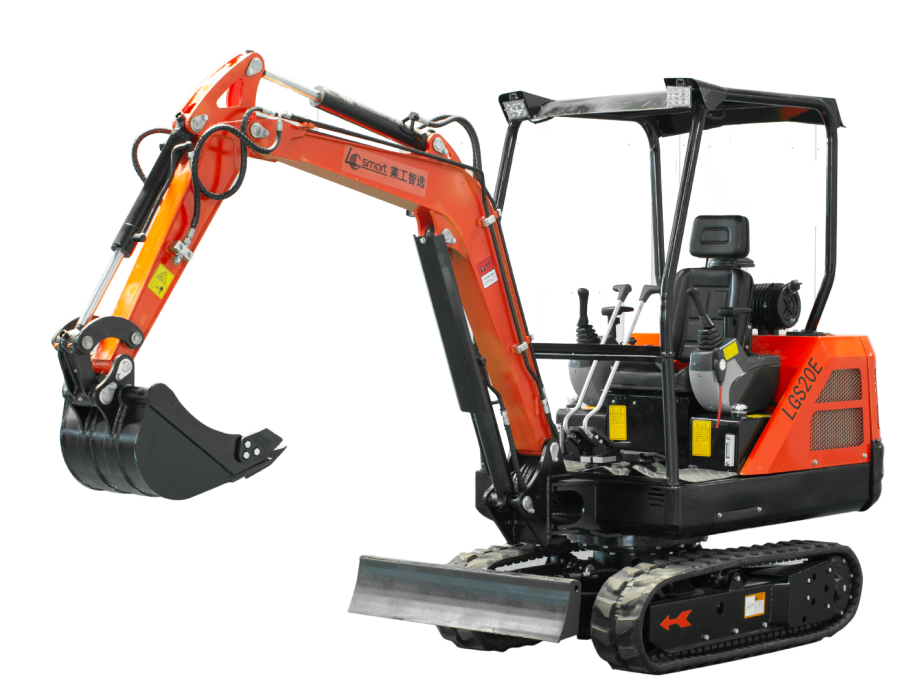
Maximizing Your Wheel Loader's Capabilities: Expert Tips for Enhanced Performance
Release time:
2026-07-17
Maximizing Your Wheel Loader's Capabilities: Tips from Industry Experts
Table of Contents
1. Introduction to Wheel Loaders
2. Understanding the Capabilities of Wheel Loaders
- 2.1 Types of Wheel Loaders
- 2.2 Key Specifications to Consider
3. Importance of Regular Maintenance
4. Essential Operating Tips for Optimal Performance
- 4.1 Load Management Strategies
- 4.2 Ut
Maximizing Your Wheel Loader's Capabilities: Tips from Industry Experts
Table of Contents
1. Introduction to Wheel Loaders
2. Understanding the Capabilities of Wheel Loaders
- 2.1 Types of Wheel Loaders
- 2.2 Key Specifications to Consider
3. Importance of Regular Maintenance
4. Essential Operating Tips for Optimal Performance
- 4.1 Load Management Strategies
- 4.2 Utilizing Attachments Effectively
5. Safety Training for Operators
6. Leveraging Technological Advancements
7. Conclusion
8. Frequently Asked Questions
Introduction to Wheel Loaders
Wheel loaders are a crucial part of the construction and engineering machinery landscape. They are designed to move materials like soil, gravel, and sand with incredible efficiency. With the right techniques and insights, operators can maximize the load capacity, speed, and versatility of their wheel loaders, thereby increasing productivity on job sites.
Understanding the Capabilities of Wheel Loaders
Before we delve into maximizing the wheel loader's capabilities, it’s essential to understand its fundamental features and specifications.
Types of Wheel Loaders
Wheel loaders come in various types, each suited for specific tasks:
- **Standard Wheel Loaders**: Versatile machines used for a wide range of applications, from construction to agriculture.
- **Compact Wheel Loaders**: Ideal for smaller spaces and urban environments, these machines are nimble while still offering substantial power.
- **Heavy-Duty Wheel Loaders**: Built for demanding applications, capable of handling larger loads with enhanced stability.
Key Specifications to Consider
When selecting a wheel loader, focus on these major specifications:
- **Operating Weight**: Heavier models generally manage larger loads but may sacrifice agility.
- **Bucket Capacity**: Larger buckets can move more material, reducing the number of trips needed.
- **Engine Power**: More powerful engines enhance overall performance, especially in tougher conditions.
- **Lift Height**: A higher lift height allows for dumping materials into higher trucks or storage areas.
Importance of Regular Maintenance
Regular maintenance is essential for maximizing the capabilities of your wheel loader. Neglecting routine checks can lead to decreased performance, increased fuel consumption, and premature wear and tear.
- **Daily Inspections**: Operators should conduct daily inspections before use, checking fluid levels, hoses, tires, and other critical components.
- **Scheduled Maintenance**: Adhere to the manufacturer’s maintenance schedule, which typically includes oil changes, filter replacements, and hydraulic system checks.
Essential Operating Tips for Optimal Performance
To fully harness the power of your wheel loader, operators should implement strategic operating techniques.
Load Management Strategies
Effective load management is crucial for maintaining balance and power. Here are some strategies:
- **Avoid Overloading**: Exceeding the loader's capacity can lead to mechanical failures and unsafe conditions.
- **Even Load Distribution**: Ensure that the load is evenly distributed in the bucket. This helps maintain stability and control while operating.
Utilizing Attachments Effectively
Attachments significantly enhance a wheel loader's functionality. Consider these tips:
- **Select the Right Attachment**: Use attachments that are designed for specific tasks, such as forks for handling pallets or buckets for digging.
- **Follow Manufacturer Guidelines**: Ensure that the attachment is compatible with the wheel loader to prevent damage and ensure optimal performance.
Safety Training for Operators
Proper training is vital for ensuring safety and efficiency. Here are the key components of effective operator training:
- **Understanding Controls**: Operators should be well-versed in the machine's controls, understanding how to operate them efficiently.
- **Safety Protocols**: Implement safety protocols to mitigate risks, including wearing appropriate gear and maintaining situational awareness.
Leveraging Technological Advancements
The advancement of technology in wheel loaders has brought about new features that enhance performance.
- **Telematics Systems**: Use telematics to monitor machine performance and diagnostics remotely. This allows for proactive maintenance and better resource allocation.
- **Automated Controls**: Some modern wheel loaders come equipped with automated controls that optimize performance for specific tasks, reducing the operator's workload.
Conclusion
Maximizing your wheel loader's capabilities requires a combination of understanding its features, implementing effective operational strategies, and adhering to safety protocols. By following the expert tips shared in this guide, operators can enhance productivity, ensure machinery longevity, and maintain a safer work environment. Investing time in training, maintenance, and leveraging technological advancements will yield substantial benefits for any construction or engineering project.
Frequently Asked Questions
1. What maintenance tasks are essential for wheel loaders?
Regular maintenance tasks include daily inspections, changing oil, replacing filters, and checking the hydraulic system for leaks and wear.
2. How can I determine the right bucket size for my wheel loader?
The right bucket size depends on the machine's operating capacity and the type of materials you will be handling. Refer to the manufacturer’s specifications for guidance.
3. What are the benefits of using attachments with my wheel loader?
Attachments can significantly enhance your wheel loader's versatility, allowing it to perform a wider range of tasks efficiently.
4. How often should I train operators on wheel loader safety?
Regular training sessions (at least once a year) are recommended to ensure operators are updated on safety protocols and operational standards.
5. What technologies can I incorporate to improve wheel loader efficiency?
Incorporating telematics for performance monitoring and automated controls for task optimization can help improve efficiency and reduce operational costs.
Previous page
Latest News