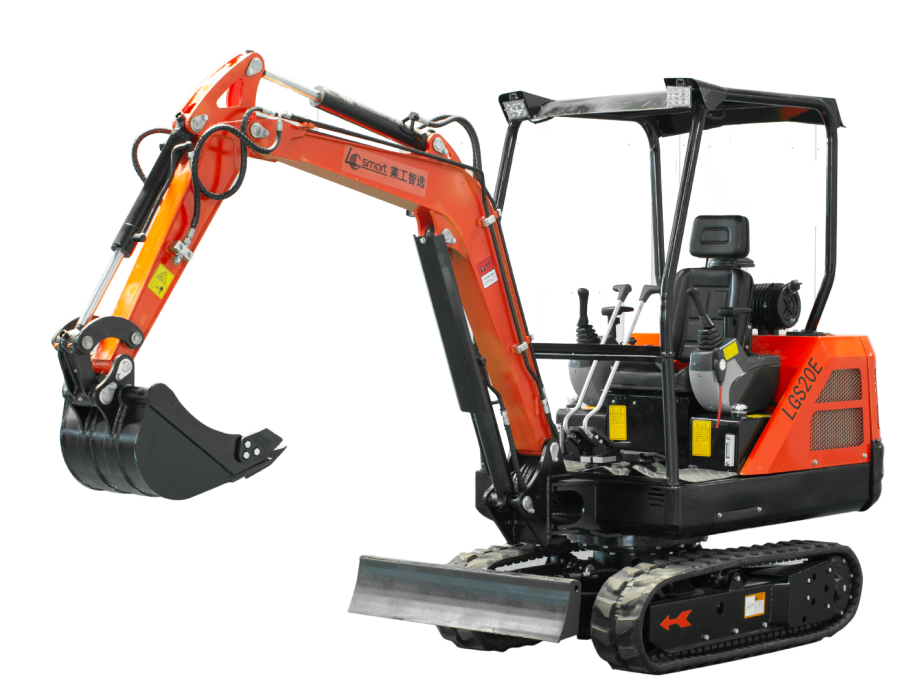
Maximizing Efficiency with Telescopic Wheel Loaders in Construction and Manufacturing
Release time:
2026-09-27
In the ever-evolving landscape of manufacturing and construction machinery, telescopic wheel loaders have emerged as a pivotal asset. These machines combine the capabilities of traditional wheel loaders with the added advantage of extending boom arms, making them exceptionally versatile for a variety of tasks. Whether you are involved in earthmoving, material handling, or site preparation, underst
In the ever-evolving landscape of manufacturing and construction machinery, telescopic wheel loaders have emerged as a pivotal asset. These machines combine the capabilities of traditional wheel loaders with the added advantage of extending boom arms, making them exceptionally versatile for a variety of tasks. Whether you are involved in earthmoving, material handling, or site preparation, understanding the functionalities and benefits of telescopic wheel loaders can significantly enhance operational efficiency.
One of the primary advantages of telescopic wheel loaders is their remarkable lifting height and reach. Traditional loaders may struggle when it comes to accessing materials stacked at higher elevations. However, with a telescopic wheel loader, operators can easily extend the boom to reach elevated surfaces, allowing for more efficient loading and unloading of materials. This capability not only saves time but also minimizes the need for additional equipment, streamlining the workflow.
Moreover, telescopic wheel loaders are designed to handle a wide range of attachments, further enhancing their utility on job sites. From forks to buckets, these loaders can be equipped to handle diverse tasks, making them an invaluable tool in both construction and manufacturing settings. The adaptability of these machines means that they can be employed for material handling, digging, and even lifting heavy loads, reducing the need for multiple machines and thus saving on operational costs.
In addition to their functionality, the compact design of telescopic wheel loaders allows them to maneuver easily in confined spaces. This is particularly beneficial in urban construction sites or manufacturing facilities where space is often limited. Their agility ensures that operators can maximize productivity without compromising safety or stability.
Operator comfort and safety are also key considerations in the design of modern telescopic wheel loaders. Many models come equipped with advanced ergonomics, intuitive controls, and enhanced visibility, which contribute to safer and more efficient operation. Investing in equipment that prioritizes operator well-being not only boosts productivity but also helps in retaining skilled workers.
In conclusion, telescopic wheel loaders are a versatile, efficient, and essential piece of equipment within the manufacturing and construction sectors. Their ability to extend, adapt, and maneuver effectively makes them an ideal choice for a variety of applications. By understanding the capabilities and advantages of these machines, industry professionals can make informed decisions that enhance productivity and contribute to the success of their operations. Embracing this technology is not just a choice; it is a strategic move towards greater efficiency and performance on the job site.
One of the primary advantages of telescopic wheel loaders is their remarkable lifting height and reach. Traditional loaders may struggle when it comes to accessing materials stacked at higher elevations. However, with a telescopic wheel loader, operators can easily extend the boom to reach elevated surfaces, allowing for more efficient loading and unloading of materials. This capability not only saves time but also minimizes the need for additional equipment, streamlining the workflow.
Moreover, telescopic wheel loaders are designed to handle a wide range of attachments, further enhancing their utility on job sites. From forks to buckets, these loaders can be equipped to handle diverse tasks, making them an invaluable tool in both construction and manufacturing settings. The adaptability of these machines means that they can be employed for material handling, digging, and even lifting heavy loads, reducing the need for multiple machines and thus saving on operational costs.
In addition to their functionality, the compact design of telescopic wheel loaders allows them to maneuver easily in confined spaces. This is particularly beneficial in urban construction sites or manufacturing facilities where space is often limited. Their agility ensures that operators can maximize productivity without compromising safety or stability.
Operator comfort and safety are also key considerations in the design of modern telescopic wheel loaders. Many models come equipped with advanced ergonomics, intuitive controls, and enhanced visibility, which contribute to safer and more efficient operation. Investing in equipment that prioritizes operator well-being not only boosts productivity but also helps in retaining skilled workers.
In conclusion, telescopic wheel loaders are a versatile, efficient, and essential piece of equipment within the manufacturing and construction sectors. Their ability to extend, adapt, and maneuver effectively makes them an ideal choice for a variety of applications. By understanding the capabilities and advantages of these machines, industry professionals can make informed decisions that enhance productivity and contribute to the success of their operations. Embracing this technology is not just a choice; it is a strategic move towards greater efficiency and performance on the job site.
Previous page
Latest News